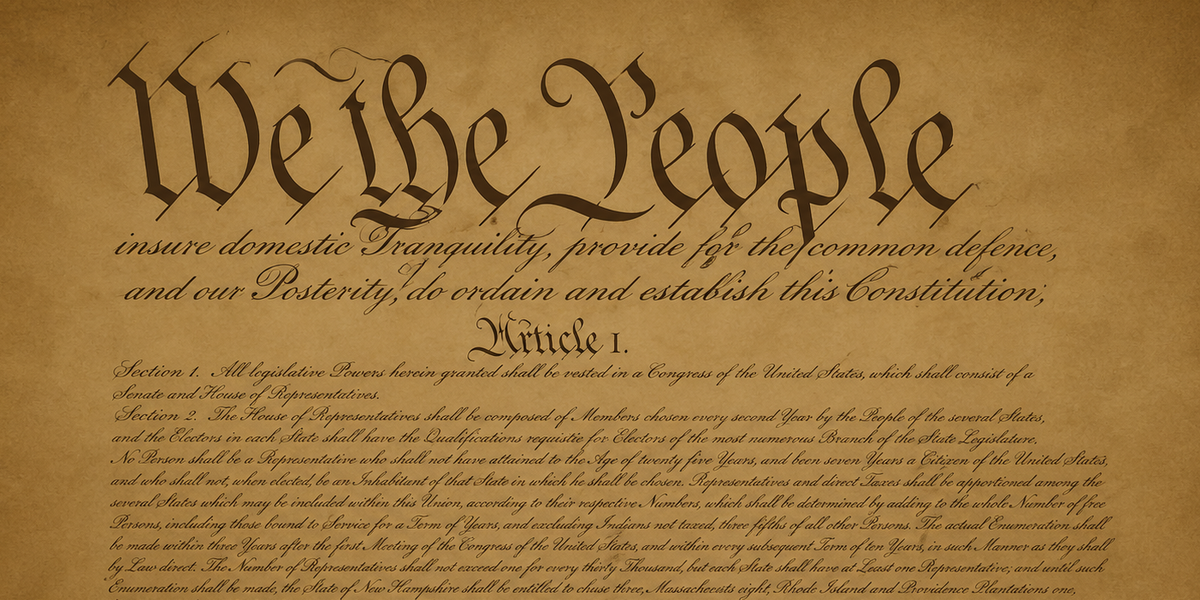
The U.S. Constitution
Learn how the U.S. Constitution created the federal government, divides its powers, protects rights, and serves as the nation's highest law.
The American Revolution to the U.S. Constitution Explained
Learn how the American Revolution led to the U.S. Constitution with a simple timeline explaining the events that shaped the nation.
 MIMS Reports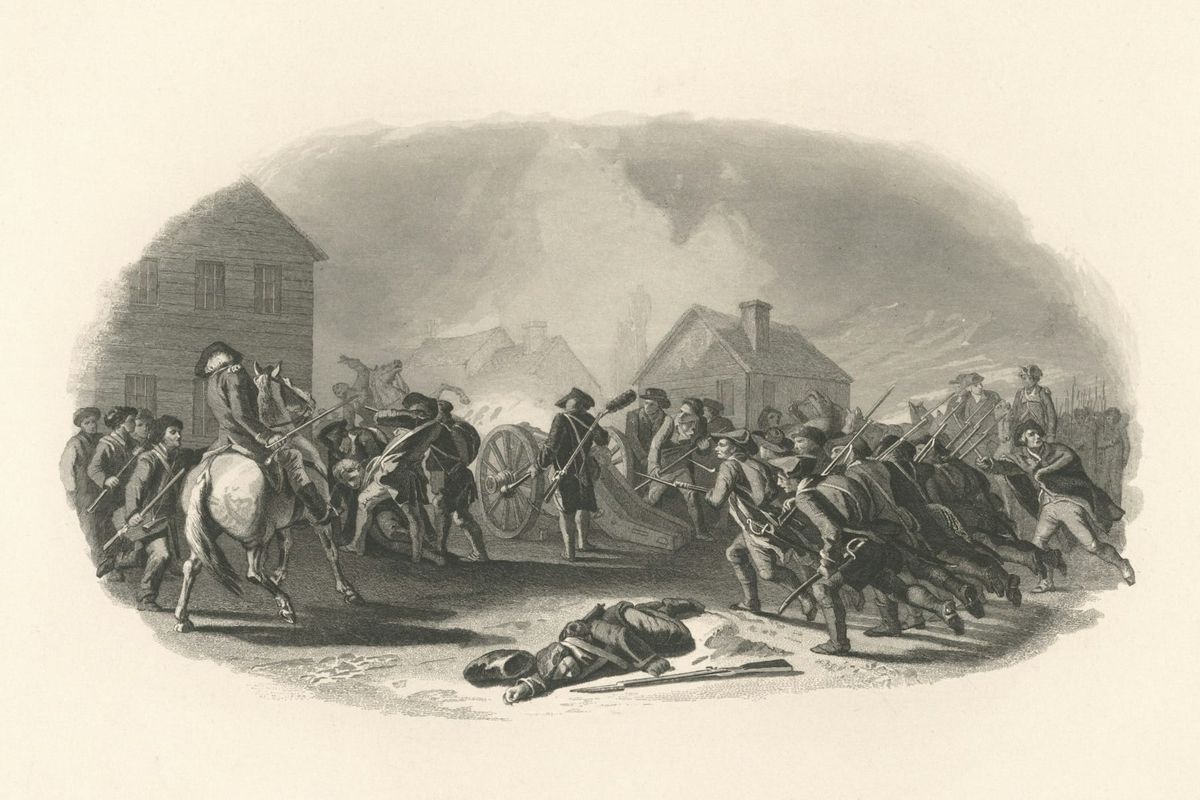
Article 1: Congress Explained | Make It Make Sense
Learn about the powers, structure, responsibilities, and lawmaking process of Congress under Article 1 of the United States Constitution.
 MIMS Reports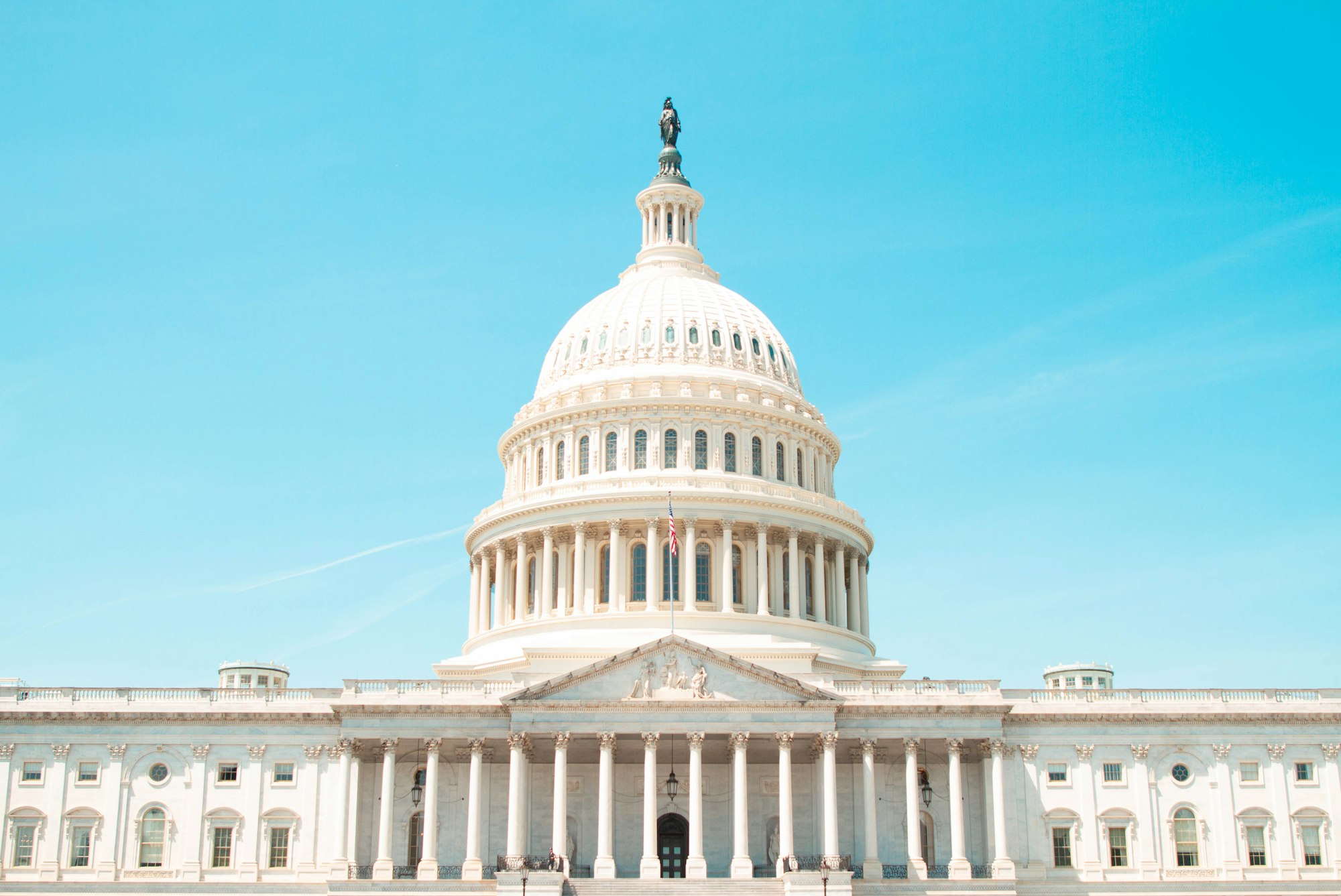
Article 2: The Presidency Explained | Make It Make Sense
Learn the President’s powers, duties, qualifications, elections, and role as head of the executive branch under Article 2.
 MIMS Reports
Article 3: The Supreme Court Explained | Make It Make Sense
Learn how the Supreme Court interprets the Constitution, settles legal disputes, and shapes U.S. law in simple terms.
 MIMS Reports
Article 4: The States Explained | Make It Make Sense
Learn how Article 4 defines the relationship between states, protects citizens’ rights, and governs new states and territories.
 MIMS Reports
Article 5: Amending the Constitution Explained | Make It Make Sense
Learn how the Constitution can be amended, who proposes changes, and why Article 5 makes the process both flexible and stable.
 MIMS Reports
Article 6: The Constitution as the Supreme Law Explained | Make It Make Sense
Learn how Article 6 makes the Constitution the highest law, honors treaties, requires oaths, and bans religious tests for office.
 MIMS Reports
Article 7: Ratification Explained | Make It Make Sense
Learn how the Constitution was ratified, why nine states were enough, and how Article 7 brought the new U.S. government to life.
 MIMS Reports
The 1st Amendment Explained | Make It Make Sense
Learn what the 1st Amendment protects, including religion, speech, the press, assembly, and the right to petition the government.
 MIMS Reports
The 2nd Amendment Explained | Make It Make Sense
Learn what the 2nd Amendment protects, who it applies to, and how courts have interpreted the right to keep and bear arms.
 MIMS Reports
The 3rd Amendment Explained | Make It Make Sense
Learn what the 3rd Amendment protects, why soldiers cannot be quartered in private homes, and why it still matters today.
 MIMS Reports
The 4th Amendment Explained | Make It Make Sense
Learn how the 4th Amendment protects against unreasonable searches and seizures and when law enforcement needs a warrant.
 MIMS Reports
The 5th Amendment Explained | Make It Make Sense
Learn how the 5th Amendment protects due process, prevents self incrimination and double jeopardy, and limits government power.
 MIMS Reports
The 6th Amendment Explained | Make It Make Sense
Learn how the 6th Amendment protects the rights of people accused of crimes, including a speedy trial, a jury, and legal counsel.
 MIMS Reports
The 7th Amendment Explained | Make It Make Sense
Learn how the 7th Amendment protects the right to a jury trial in many civil cases and why it remains part of the Constitution.
 MIMS Reports
The 8th Amendment Explained | Make It Make Sense
Learn how the 8th Amendment protects against excessive bail, excessive fines, and cruel and unusual punishment.
 MIMS Reports
The 9th Amendment Explained | Make It Make Sense
Learn how the 9th Amendment protects rights not specifically listed in the Constitution and why those rights still matter today.
 MIMS Reports
The 11th Amendment Explained | Make It Make Sense
Learn how the 11th Amendment limits when states can be sued in federal court and helps protect the rights of state governments.
 MIMS Reports
The 12th Amendment Explained | Make It Make Sense
Learn how the 12th Amendment changed the Electoral College process for electing the President and Vice President of the United States.
 MIMS Reports
The 13th Amendment Explained | Make It Make Sense
Learn how the 13th Amendment abolished slavery in the United States and the lasting impact it had on American history and law.
 MIMS Reports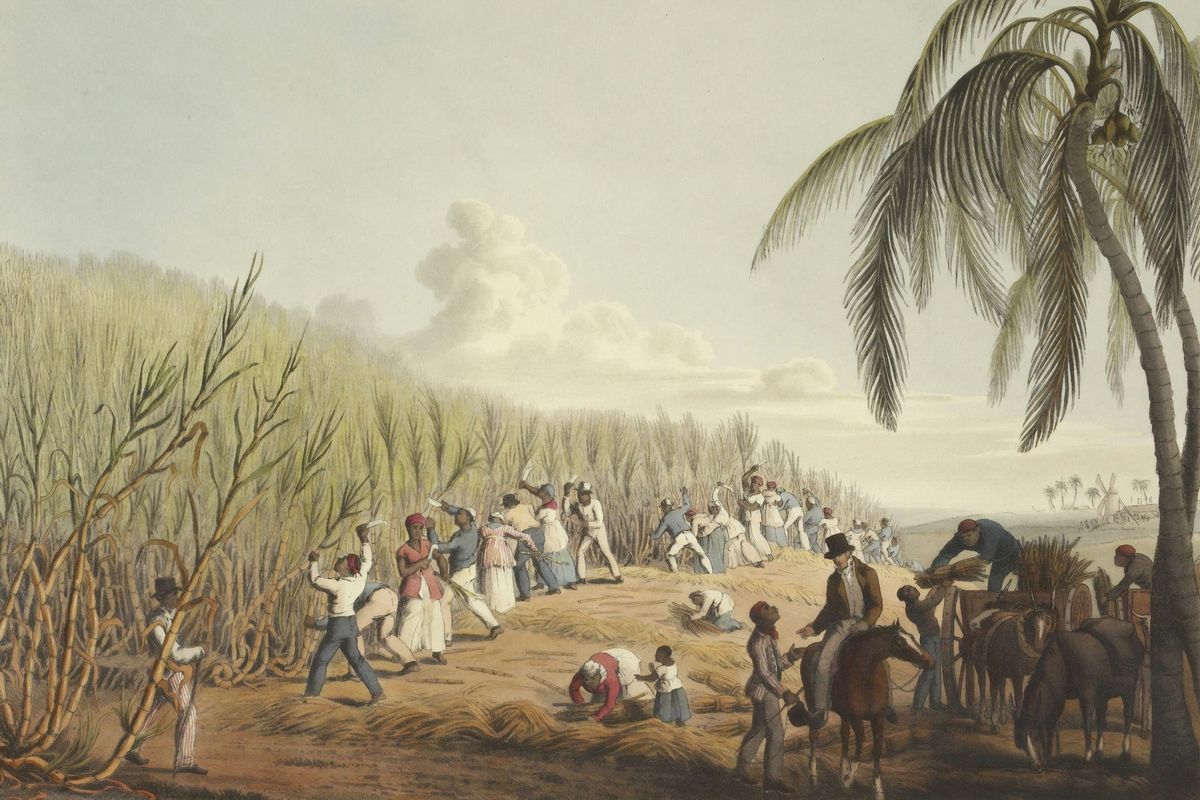
The 14th Amendment Explained | Make It Make Sense
Learn how the 14th Amendment guarantees citizenship, due process, equal protection, and limits state government power.
 MIMS Reports
The 15th Amendment Explained | Make It Make Sense
Learn how the 15th Amendment protects the right to vote regardless of race, color, or previous condition of servitude.
 MIMS Reports
The 16th Amendment Explained | Make It Make Sense
The 16th Amendment is part of the U.S. Constitution. It gives Congress the power to collect a federal income tax without dividing the tax among the states based on population.
 MIMS Reports
The 17th Amendment Explained | Make It Make Sense
Learn how the 17th Amendment established direct election of U.S. senators and changed how Americans choose their representatives in Congress.
 MIMS Reports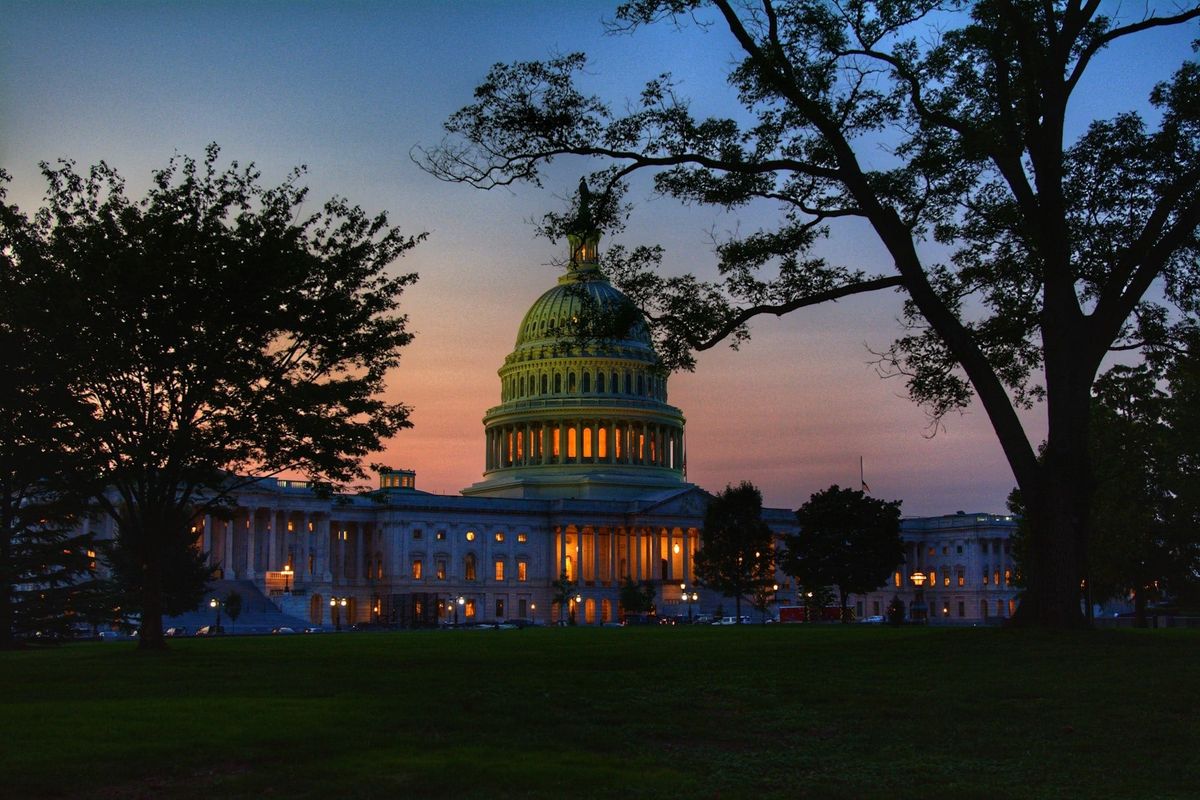
The 18th Amendment Explained | Make It Make Sense
Learn how the 18th Amendment established Prohibition, restricted the production and sale of alcohol, and was later repealed.
 MIMS Reports
The 19th Amendment Explained | Make It Make Sense
Learn how the 19th Amendment protected women’s right to vote and prohibited denying the vote based on sex.
 MIMS Reports
The 20th Amendment Explained | Make It Make Sense
Learn how the 20th Amendment sets the terms for when the President, Vice President, and Congress begin their terms and handles transitions.
 MIMS Reports
The 21st Amendment Explained | Make It Make Sense
Learn how the 21st Amendment repealed Prohibition, ending the nationwide ban on alcohol established by the Eighteenth Amendment.
 MIMS Reports
The 22nd Amendment Explained | Make It Make Sense
Learn how the 22nd Amendment limits a President to two elected terms and sets rules for presidents who serve part of another term.
 MIMS Reports
The 23rd Amendment Explained | Make It Make Sense
Learn how the 23rd Amendment gives Washington, D.C. electoral votes in presidential elections and allows its residents to vote for President.
 MIMS Reports
The 24th Amendment Explained | Make It Make Sense
Learn how the 24th Amendment banned poll taxes in federal elections, removing a financial barrier to voting.
 MIMS Reports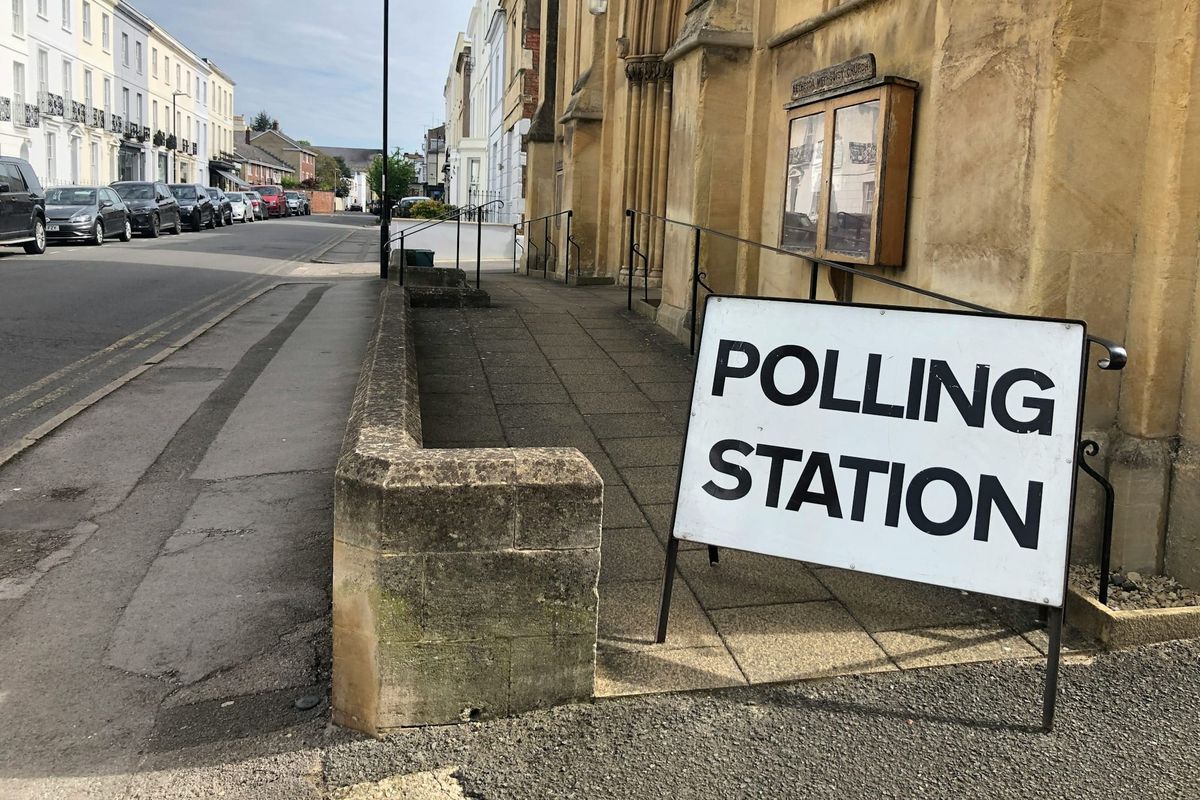
The 25th Amendment Explained | Make It Make Sense
Learn how the 25th Amendment handles presidential succession, disability, and the transfer of presidential powers.
 MIMS Reports
The 26th Amendment Explained | Make It Make Sense
Learn how the 26th Amendment lowered the voting age to 18 and protects the right of young Americans to vote.
 MIMS Reports
The 27th Amendment Explained | Make It Make Sense
Learn how the 27th Amendment limits changes to congressional pay by requiring an election to occur before the changes take effect.
 MIMS Reports