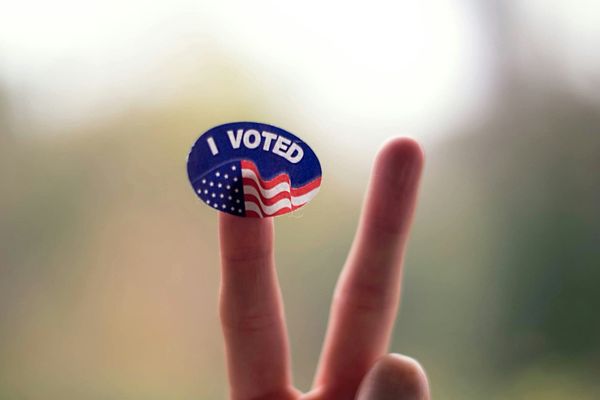
The 15th Amendment Explained
Learn how the 15th Amendment protects the right to vote regardless of race, color, or previous condition of servitude.


The 15th Amendment is part of the U.S. Constitution. It protects the right to vote by prohibiting the federal government and state governments from denying or limiting a person's right to vote because of race, color, or previous condition of servitude.
"The right of citizens of the United States to vote shall not be denied or abridged by the United States or by any State on account of race, color, or previous condition of servitude."
Who Does the Fifteenth Amendment Protect?
The Federal Government
The federal government cannot deny or limit a U.S. citizen's right to vote because of race, color, or previous condition of servitude.
State Governments
State governments cannot deny or limit a U.S. citizen's right to vote because of race, color, or previous condition of servitude.
Private Businesses and Organizations
The Fifteenth Amendment generally does not apply directly to private businesses or private organizations. However, federal and state laws may prohibit discrimination related to voting activities.
The People
U.S. citizens are protected from voting discrimination based on race, color, or previous condition of servitude.
What Does the Fifteenth Amendment Protect?
The 15th Amendment protects the right of U.S. citizens to vote regardless of race, color, or previous condition of servitude.
Section 1
Protects U.S. citizens from being denied the right to vote because of race, color, or because they were previously enslaved.
Section 2
Gives Congress the power to make laws that enforce this amendment.
The 15th Amendment does not:
Prevent voting requirements that apply equally to everyone, such as citizenship, voter registration, residency requirements, and minimum voting age established by law.
How Does the Fifteenth Amendment Protect People?
Federal and state governments cannot create or enforce voting laws that deny or limit a person's right to vote because of race, color, or previous condition of servitude.
Federal courts may review voting laws and government actions to determine whether they comply with the 15th Amendment. Congress may pass laws to enforce the protections established by the amendment.
Where Does the Fifteenth Amendment Apply?
The 15th Amendment applies throughout the United States.
The Federal Government
The federal government must follow and enforce the protections established by the Fifteenth Amendment.
State Governments
State governments must follow and enforce the protections established by the Fifteenth Amendment.
Private Businesses and Organizations
Private businesses and organizations generally are not governed directly by the 15th Amendment, but they must follow applicable federal and state voting laws.
The People
U.S. citizens are protected from voting discrimination based on race, color, or previous condition of servitude.
Why Was the Fifteenth Amendment Established?
The 15th Amendment was created to prohibit the federal government and state governments from denying or limiting the right to vote because of race, color, or previous condition of servitude.
After the Civil War, Congress wanted to protect the voting rights of formerly enslaved people and other Black Americans.
When Was the Fifteenth Amendment Approved?
The 15th Amendment was approved on February 3, 1870.
It was proposed by Congress on February 26, 1869 and approved by the states about 11 months later. The amendment established constitutional protection against racial discrimination in voting.
Disclaimer
This content was researched and organized with the assistance of artificial intelligence (AI) and is intended for educational and informational purposes only. While we strive for accuracy, information may change over time. Readers are encouraged to verify important information using official sources and consult qualified professionals when making legal, financial, medical, or other important decisions.