Article 2: The Presidency Explained
Learn about the powers, duties, qualifications, elections, and responsibilities of the President of the United States under Article II of the United States Constitution.

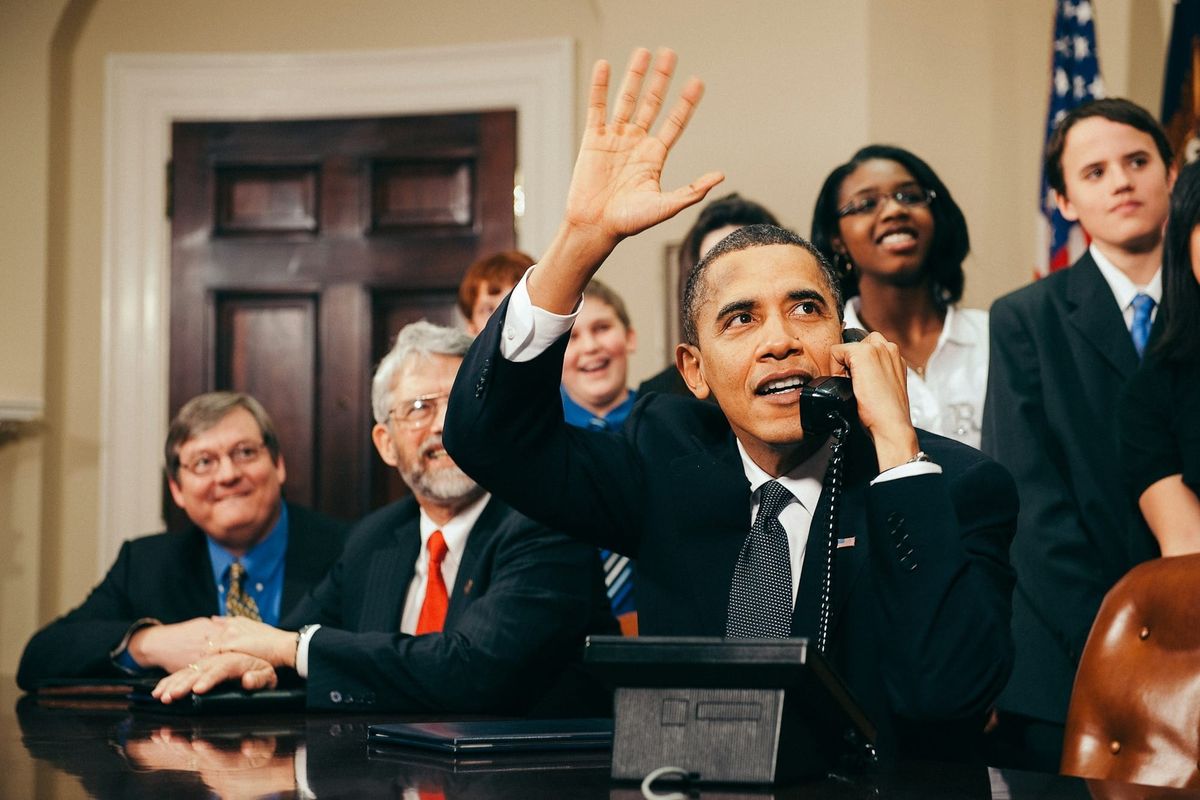
Article 2 of the U.S. Constitution creates the Executive Branch, led by the President of the United States. The Executive Branch puts federal laws into action and manages the federal departments and agencies responsible for carrying them out.
Who Makes Up the Executive Branch?
The Executive Branch includes:
- The President
- The Vice President
- The President's Cabinet
- Federal departments and agencies
The President
- Serves a 4-year term
- May be elected no more than 2 times
The Vice President
- Serves a 4-year term
- Becomes President if the President dies, resigns, is removed from office, or is unable to continue serving
The President's Cabinet
The President's Cabinet is made up of the leaders of the major federal departments.
- No set term
- Appointed by the President
- Approved by the Senate
- Advise the President and oversee their departments
Federal Departments and Agencies
Federal departments and agencies carry out the daily work of the Executive Branch.
Examples include:
- Department of Defense
- Department of Justice
- Department of Education
- Department of Homeland Security
- Internal Revenue Service (IRS)
- Federal Bureau of Investigation (FBI)
- National Aeronautics and Space Administration (NASA)
What Does Article 2 Do?
Section 1: Creates the President and Vice President
- Establishes a four-year presidential term
- Creates the Electoral College to elect the President and Vice President
- Sets the qualifications to become President:
- At least 35 years old
- A person who was a U.S. citizen at birth.
- Must have lived in the United States for at least 14 years
- Requires the President to take the Oath of Office before serving
- Explains what happens if the President is unable to serve.
Section 2: Gives Powers to the President
- The President serves as the highest leader of the United States military. (Commander in Chief)
- The President may forgive a person for a federal crime or reduce the person's punishment.
- Make formal agreements with other countries, subject to Senate approval
- Appoint Cabinet members, ambassadors, federal judges, and Supreme Court Justices, subject to Senate approval
Section 3: Establishes the President's Duties
- Give Congress information about the State of the Union.
- Recommend new laws to Congress.
- Call Congress into a special session when necessary.
- Receive ambassadors and other foreign officials.
- Oversee the Executive Branch as it carries out federal laws.
- Commission federal officers.
Section 4: Creates the Process for Removing Federal Officials
Allows the President, Vice President, and other federal civil officers to be removed from office after being impeached by the House of Representatives and found responsible by the Senate for:
- Helping the enemies of the United States or betraying the country.
- Giving or accepting something valuable to improperly influence an official decision.
- Serious abuse of public office or serious misconduct.
How Does Article 2 Work?
After Congress passes a bill, it is sent to the President. The President may:
- Sign the bill, making it a federal law.
- Veto the bill and return it to Congress with objections.
- Take no action for ten days while Congress is in session, allowing the bill to become law without a signature.
The President is elected every four years through the Electoral College, the system the United States uses to officially choose the President and Vice President. Each state receives a certain number of electoral votes based on its representation in Congress.
Where Does Article 2 Apply?
Article 2 applies throughout the United States.
- The President
- The Vice President
- The President's Cabinet
- Federal departments and agencies
- Federal laws
Why Was Article 2 Established?
After the American Revolution, the Articles of Confederation did not create a President or a national leader to carry out laws passed by Congress.
Article 2 created the Executive Branch so the federal government would have a leader responsible for carrying out federal laws, leading the military, managing executive departments, and representing the United States at home and around the world.
When Was Article 2 Approved?
Article 2 was written during the Constitutional Convention in 1787.
 MIMS Reports
Disclaimer
This content was researched and organized with the assistance of artificial intelligence (AI) and is intended for educational and informational purposes only. While we strive for accuracy, information may change over time. Readers are encouraged to verify important information using official sources and consult qualified professionals when making legal, financial, medical, or other important decisions.