The 1st Amendment Explained
Learn how the 1st Amendment protects freedom of religion, speech, the press, assembly, and the right to petition the government.

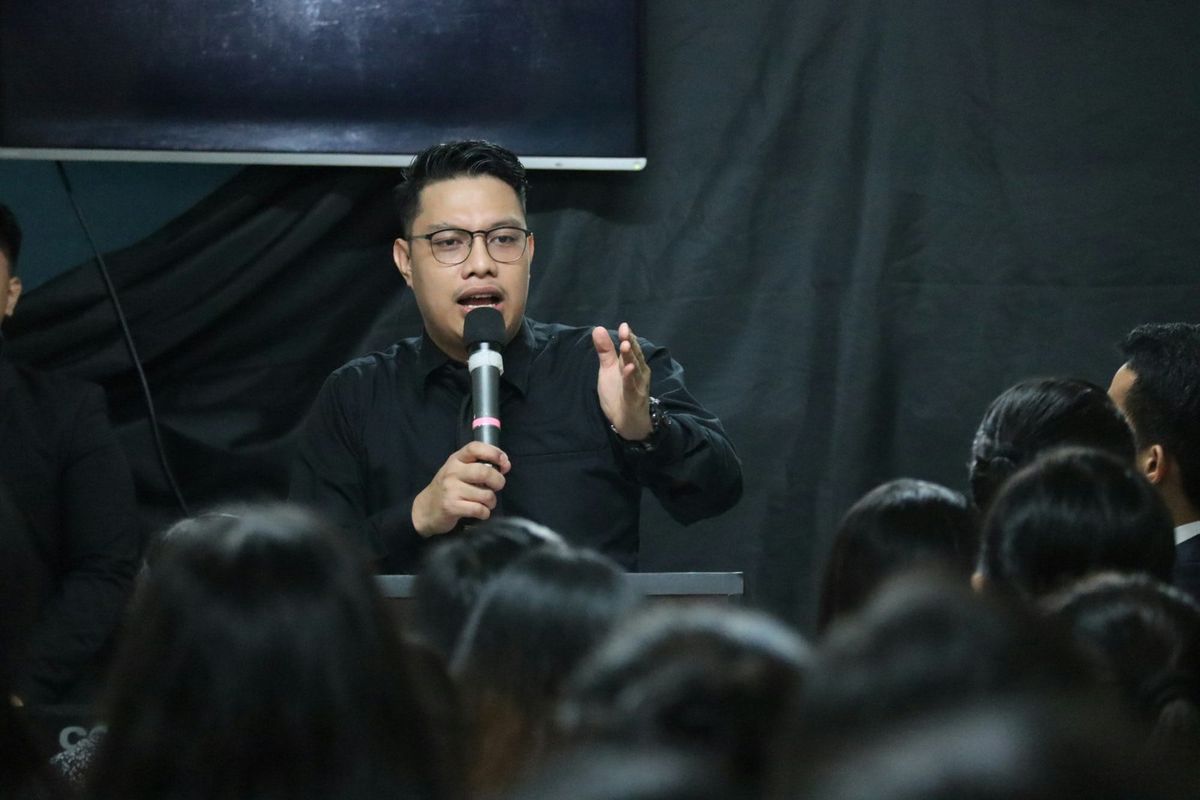
The 1st Amendment is part of the Bill of Rights, the first ten amendments to the U.S. Constitution. It protects five basic freedoms: religion, speech, the press, peaceful assembly, and the right to ask the government to address problems.
"Congress shall make no law respecting an establishment of religion, or prohibiting the free exercise thereof; or abridging the freedom of speech; or of the press; or the right of the people peaceably to assemble, and to petition the Government for a redress of grievances."
Who Does the First Amendment Protect?
The 1st Amendment protects people within the United States:
The Federal Government
The federal government cannot limit the freedoms protected by the First Amendment.
State Governments
State governments must follow the protections of the First Amendment.
The People
The people are protected when exercising the freedoms of religion, speech, the press, peaceful assembly, and petitioning the government.
What Does the First Amendment Protect?
- Freedom of Religion: People may practice any religion, change religions, or choose not to practice a religion. The government may not create an official religion or treat one religion better than another.
- Freedom of Speech: People may share their ideas, opinions, and beliefs without being punished by the government because of protected speech. Protected speech includes talking about politics, sharing opinions, creating art, and criticizing government officials.
- Freedom of the Press: News organizations and individuals may gather, publish, and share news, information, and opinions without government approval before publishing.
- Freedom of Peaceful Assembly: People may gather peacefully for protests, demonstrations, meetings, religious services, and public events. Violence, destroying property, and other illegal acts are not protected by the 1st Amendment.
- The Right to Ask the Government for Change: People may ask the government to address concerns, change laws, or solve problems through letters, public comments, lawsuits, public meetings, and other legal methods. The Constitution protects the right to ask. It does not require the government to say yes.
How Does the First Amendment Protect People?
The 1st Amendment prevents the government from punishing people for protected speech and other protected activities.
It does not protect every type of speech.
- True threats of violence.
- Encouraging people to commit crimes or acts of violence.
- Knowingly making false statements that harm another person's reputation.
- Fraud.
- Crimes and other illegal acts.
Where Does the First Amendment Apply?
The 1st Amendment applies throughout the United States in federal, state, and local governments. It protects speech in public places such as sidewalks, parks, streets, and other government-owned areas where people commonly gather.
It does not apply to rules created by:
- Private businesses
- Private employers
- Private schools
- Private organizations
- Most social media platforms
Why Was the First Amendment Established?
Before the American Revolution, the British government punished people for criticizing the government, limited what could be published, restricted public gatherings, and influenced religious practices. The Founding Fathers wanted to prevent the new federal government from having those same powers.
The 1st Amendment was created to protect freedom of religion, speech, the press, peaceful assembly, and the right to ask the government to address problems and concerns.
When Was the First Amendment Approved?
The 1st Amendment was approved on December 15, 1791, as part of the Bill of Rights.
Disclaimer
This content was researched and organized with the assistance of artificial intelligence (AI) and is intended for educational and informational purposes only. While we strive for accuracy, information may change over time. Readers are encouraged to verify important information using official sources and consult qualified professionals when making legal, financial, medical, or other important decisions.