The American Revolution to the U.S. Constitution Explained
Learn how the American Revolution led to the U.S. Constitution with a simple timeline explaining the events that shaped the nation.

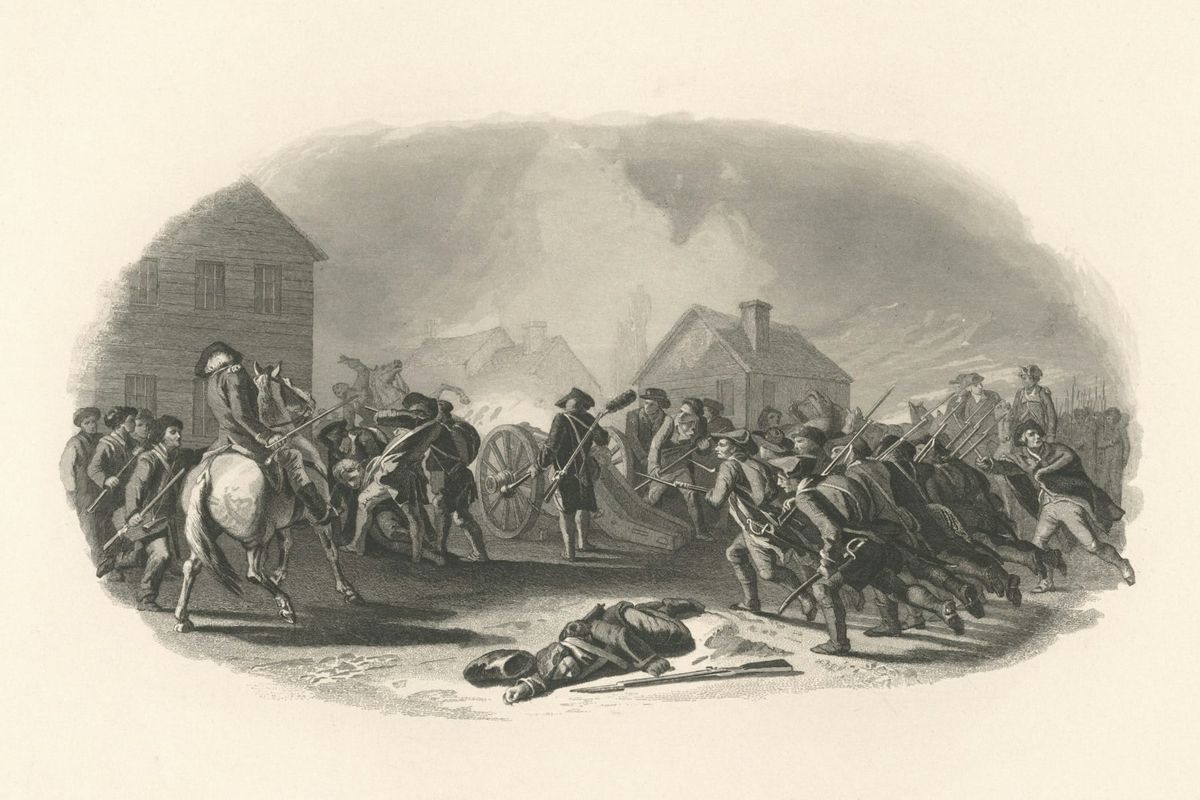
The United States was built through a series of events and documents that shaped the nation's government. The journey began with the American Revolution, continued with the Declaration of Independence and the Articles of Confederation, and led to the creation of the U.S. Constitution.
Who Was Involved?
The American colonies were represented by leaders including George Washington, Thomas Jefferson, James Madison, Benjamin Franklin, John Adams, Alexander Hamilton, John Jay, Gouverneur Morris, and others.
The British government was led by King George III.
The people living in the thirteen colonies played a central role by supporting, opposing, and fighting during the Revolution.
What Happened?
The American Revolution
The American Revolution was fought between 1775 and 1783 (8 years). The thirteen colonies wanted greater control over their own government and objected to being taxed and governed by Great Britain without elected representatives in the British government. The war ended with the United States winning its independence.
The Declaration of Independence
On July 4, 1776 (1 year later), the Continental Congress approved the Declaration of Independence. The document was written primarily by Thomas Jefferson, with input from John Adams, Benjamin Franklin, Roger Sherman, and Robert R. Livingston.
The Declaration announced that the thirteen colonies were no longer part of Great Britain. It explained the reasons for seeking independence and stated that all people are created equal and have certain unalienable rights, including life, liberty, and the pursuit of happiness.
The Articles of Confederation
While the Revolutionary War was still being fought, the Continental Congress approved the Articles of Confederation. The document was drafted primarily by John Dickinson and became the nation's first governing document in 1781 (5 years later). The Articles gave most government power to the states and created a limited national government.
Article 1 – Established the name of the new nation as "The United States of America."
Article 2 – Explained that each state kept its own powers except for those specifically given to the national government.
Article 3 – Declared that the states would work together for their common defense, security, and general welfare.
Article 4 – Established rules for cooperation between the states, including travel, trade, and recognizing certain legal actions taken by other states.
Article 5 – Explained how each state would be represented in Congress.
Article 6 – Limited the powers of the states in areas such as foreign relations and military agreements.
Article 7 – Explained how military officers would be appointed.
Article 8 – Explained how the states would share the cost of the national government and the military.
Article 9 – Listed the powers of Congress, including declaring war, making treaties, borrowing money, settling disputes between states, and managing western lands.
Article 10 – Allowed a committee of states to carry out certain responsibilities when Congress was not meeting.
Article 11 – Allowed Canada to join the United States if it chose to do so and explained how other colonies could be admitted.
Article 12 – Confirmed that debts from before the Articles of Confederation would still be honored.
Article 13 – Explained that every state had to approve any changes to the Articles of Confederation and declared that the union between the states would be permanent.
Congress could not:
- Collect federal taxes
- Regulate trade between the states
- Create a national court system
- Require states to follow national laws
The U.S. Constitution
In 1787 (4 years later), representatives from twelve states met in Philadelphia to improve the Articles of Confederation. Instead, they wrote a new Constitution.
The Constitution was written during the Constitutional Convention by 55 representatives from the states. Key contributors included James Madison, Gouverneur Morris, Alexander Hamilton, Benjamin Franklin, Roger Sherman, James Wilson, and others.
Article 1 – Creates the Legislative Branch, also known as Congress, which makes federal laws.
Article 4 – Explains the relationship between the states and how they work together.
Article 5 – Explains how the Constitution can be changed by adding amendments.
Article 7 – Explains how the Constitution would take effect after enough states approved it.
It divided power between the federal government and the states and created a system of checks and balances. The new government began operating under the Constitution on March 4, 1789 (2 years later).
The Bill of Rights
After the Constitution was approved, James Madison wrote 12 proposed amendments to protect individual rights and limit the powers of the federal government. On December 15, 1791 (2 years later), 10 of those amendments were approved and became known as the Bill of Rights.
2nd Amendment – Protects the right of people to own and carry firearms.
3rd Amendment – Protects people from the government forcing soldiers to stay in their homes.
7th Amendment – Protects the right to a jury in certain civil court cases.
9th Amendment – Explains that people have rights beyond those listed in the Constitution.
 MIMS Reports
How Did These Events Shape the United States?
- The American Revolution won independence.
- The Declaration of Independence explained why the colonies wanted independence.
- The Articles of Confederation created the nation's first government.
- The Constitution of the United States replaced the Articles with a stronger national government, divided power among the Legislative, Executive, and Judicial Branches, and kept powers for the states.
- The Bill of Rights added protections for individual rights and placed more limits on the federal government.
Where Did These Events Take Place?
These events took place throughout the thirteen American colonies. Philadelphia, Pennsylvania, served as the center of the nation's founding. The Declaration of Independence was approved there, the Constitutional Convention met there, and the U.S. Constitution was written there.
When Did These Events Happen?
- 1775 – The American Revolution began.
- July 4, 1776 (1 year later) – The Declaration of Independence was approved.
- 1781 (5 years later) – The Articles of Confederation became the nation's first governing document.
- 1783 (2 years later) – The Revolutionary War ended with the Treaty of Paris.
- 1787 (4 years later) – The U.S. Constitution was written and signed.
- 1788 (1 year later) – The Constitution was approved after 9 of the 13 states voted in favor of it.
- March 4, 1789 (about 1 year later) – The United States government began operating under the Constitution.
- December 15, 1791 (nearly 3 years later) – The Bill of Rights was approved.
Disclaimer
This content was researched and organized with the assistance of artificial intelligence (AI) and is intended for educational and informational purposes only. While we strive for accuracy, information may change over time. Readers are encouraged to verify important information using official sources and consult qualified professionals when making legal, financial, medical, or other important decisions.