The 18th Amendment Explained
Learn how the 18th Amendment established Prohibition, restricted the production and sale of alcohol, and was later repealed.

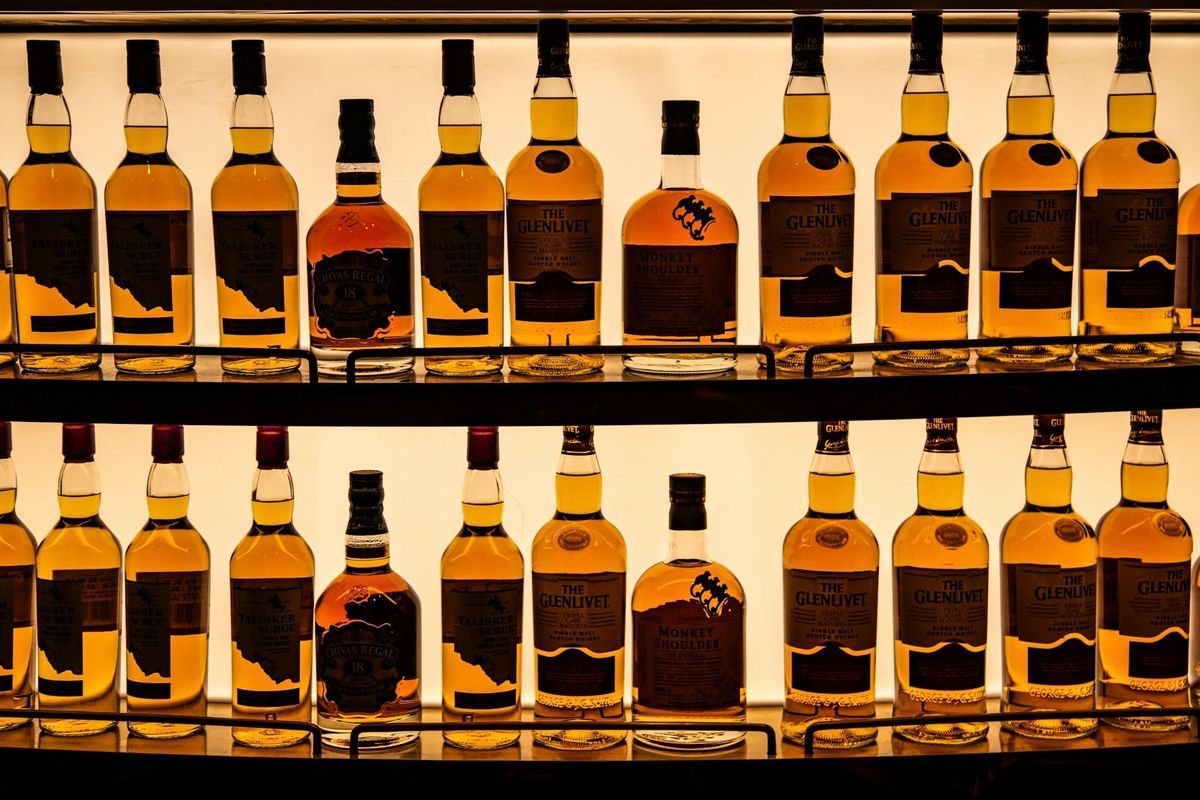
The 18th Amendment is part of the U.S. Constitution and established Prohibition, making the production, sale, and transportation of alcoholic beverages illegal throughout the United States.
"After one year from the ratification of this article the manufacture, sale, or transportation of intoxicating liquors within, the importation thereof into, or the exportation thereof from the United States... for beverage purposes is hereby prohibited."
Who Did the Eighteenth Amendment Affect?
The Federal Government
The federal government was given the power to enforce the restrictions on the manufacture, sale, and transportation of alcoholic beverages.
State Governments
State governments were given the power to enforce Prohibition alongside the federal government.
The People
The people could not legally manufacture, sell, or transport alcoholic beverages for beverage purposes during Prohibition.
What Did the Eighteenth Amendment Do?
The 18th Amendment established a nationwide ban on the manufacture, sale, and transportation of alcoholic beverages for beverage purposes.
Section 1
Made the production, sale, and transportation of alcoholic drinks illegal in the United States.
Section 2
Gave Congress and the states the power to make laws that enforced the amendment.
Section 3
Required three fourths of the states to approve the amendment within seven years.
The 18th Amendment does not:
Make it illegal to drink alcohol that had already been legally obtained.
How Did the Eighteenth Amendment Work?
The amendment made the manufacture, sale, and transportation of alcoholic beverages for beverage purposes illegal.
Congress passed the Volstead Act, or the National Prohibition Act, to establish how the federal government would enforce Prohibition.
The Volstead Act:
- Defined which alcoholic beverages were illegal
- Set rules for making, selling, transporting, and storing alcohol
- Gave law enforcement the authority to investigate and stop illegal alcohol production and sales
- Established penalties for breaking the law
Where Did the Eighteenth Amendment Apply?
Alcoholic Beverages
The manufacture, sale, and transportation of alcoholic beverages for beverage purposes were made illegal.
Businesses
Businesses could not legally manufacture, sell, or transport alcoholic beverages for beverage purposes during Prohibition.
Individuals
Individuals could not legally manufacture, sell, or transport alcoholic beverages for beverage purposes during Prohibition.
Federal and State Enforcement
Federal and state governments could enforce the restrictions established by the amendment.
Why Was the Eighteenth Amendment Established?
The 18th Amendment was established during the temperance movement, which sought to reduce or eliminate alcohol consumption.
Supporters argued that alcohol contributed to problems such as:
- Crime
- Poverty
- Family violence
- Poor working conditions.
The amendment was created to establish a nationwide constitutional ban on the manufacture, sale, and transportation of alcoholic beverages for beverage purposes.
When Was the Eighteenth Amendment Approved?
The 18th Amendment was approved on January 16, 1919.
It was proposed by Congress on December 18, 1917, and approved by the states about 1 year and 1 month later.
The amendment took effect on January 17, 1920, one year after ratification.
Disclaimer
This content was researched and organized with the assistance of artificial intelligence (AI) and is intended for educational and informational purposes only. While we strive for accuracy, information may change over time. Readers are encouraged to verify important information using official sources and consult qualified professionals when making legal, financial, medical, or other important decisions.