Article 3: The Supreme Court Explained
Learn how the Supreme Court interprets the Constitution, settles legal disputes, and shapes U.S. law in simple terms.

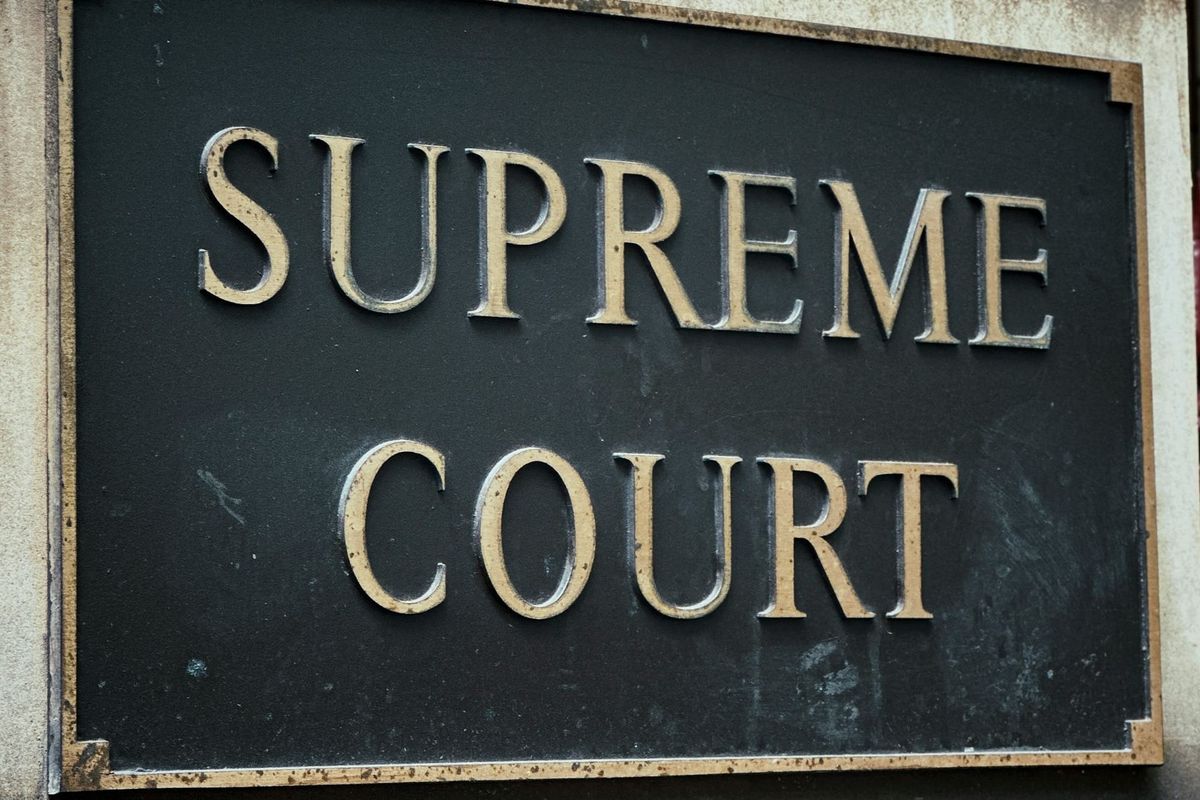
Article 3 of the U.S. Constitution creates the Judicial Branch, led by the Supreme Court of the United States. The Judicial Branch decides what federal laws and the Constitution mean in federal court cases. The Supreme Court is the highest court in the United States.
Who Makes Up the Judicial Branch?
The Judicial Branch includes:
- The Supreme Court
- U.S. Courts of Appeals
- U.S. District Courts
- Other federal courts created by Congress
The Supreme Court consists of:
- 1 Chief Justice
- 8 Associate Justices
- For a total of 9 Justices.
Supreme Court Justices are nominated by the President and are approved by the Senate. They do not serve a set number of years and may remain in office unless they:
- Resign
- Retire
- Die
- Are removed from office through impeachment
What Does Article 3 Do?
Section 1: Creates the Federal Court System
- Creates the Supreme Court of the United States
- Allows Congress to create lower federal courts
- States that federal judges serve during good behavior, meaning they may continue serving unless they resign, retire, die, or are removed from office through impeachment
- Protects the pay of federal judges while they remain in office
Section 2: Defines the Powers of the Federal Courts
Some cases begin in the Supreme Court, while others begin in lower federal courts and may later be reviewed by the Supreme Court.
Federal courts may hear cases involving:
- The U.S. Constitution
- Federal laws
- Formal agreements between the United States and other countries
- Ambassadors and other foreign officials
- The federal government
- Disagreements between two or more states
- Cases involving citizens from different states in certain situations
- Admiralty and maritime law, which covers legal matters involving oceans, seas, rivers, and other navigable waterways
Section 3: Defines Treason
Congress may establish punishments for treason, but those punishments cannot automatically extend to the family members or descendants of the person found guilty.
Defines treason as:
- Waging war against the United States.
- Helping the enemies of the United States.
A person cannot be found guilty of treason unless:
- Two witnesses testify to the same act of treason.
- Or the person admits to the crime in open court.
Sections 1-3: Summary
Article 3 gives the federal courts the power to:
- Decide cases involving the U.S. Constitution.
- Decide cases involving federal laws.
- Resolve disagreements between states.
- Hear cases involving the federal government.
- Hear cases involving treaties, ambassadors, and foreign governments.
- Review decisions made by lower federal courts.
How Does Article 3 Work?
Most federal cases begin in a U.S. District Court. If one side believes the court made the wrong decision, they may ask a U.S. Court of Appeals to review the case. In some cases, the Supreme Court may choose to review the case.
Where Does Article 3 Apply?
Article 3 applies throughout the United States.
- The Supreme Court
- U.S. Courts of Appeals
- U.S. District Courts
- Other federal courts created by Congress
- Federal court cases
Why Was Article 3 Established?
After the American Revolution, the Articles of Confederation did not create a national court system.
When Was Article 3 Approved?
Article 3 was written during the Constitutional Convention in 1787. It became part of the U.S. Constitution on June 21, 1788, when 9 of the 13 states approved the Constitution.
 MIMS Reports
Disclaimer
This content was researched and organized with the assistance of artificial intelligence (AI) and is intended for educational and informational purposes only. While we strive for accuracy, information may change over time. Readers are encouraged to verify important information using official sources and consult qualified professionals when making legal, financial, medical, or other important decisions.