Article 6: The Constitution as the Supreme Law Explained
Learn how Article 6 makes the Constitution the highest law, honors treaties, requires oaths, and bans religious tests for office.

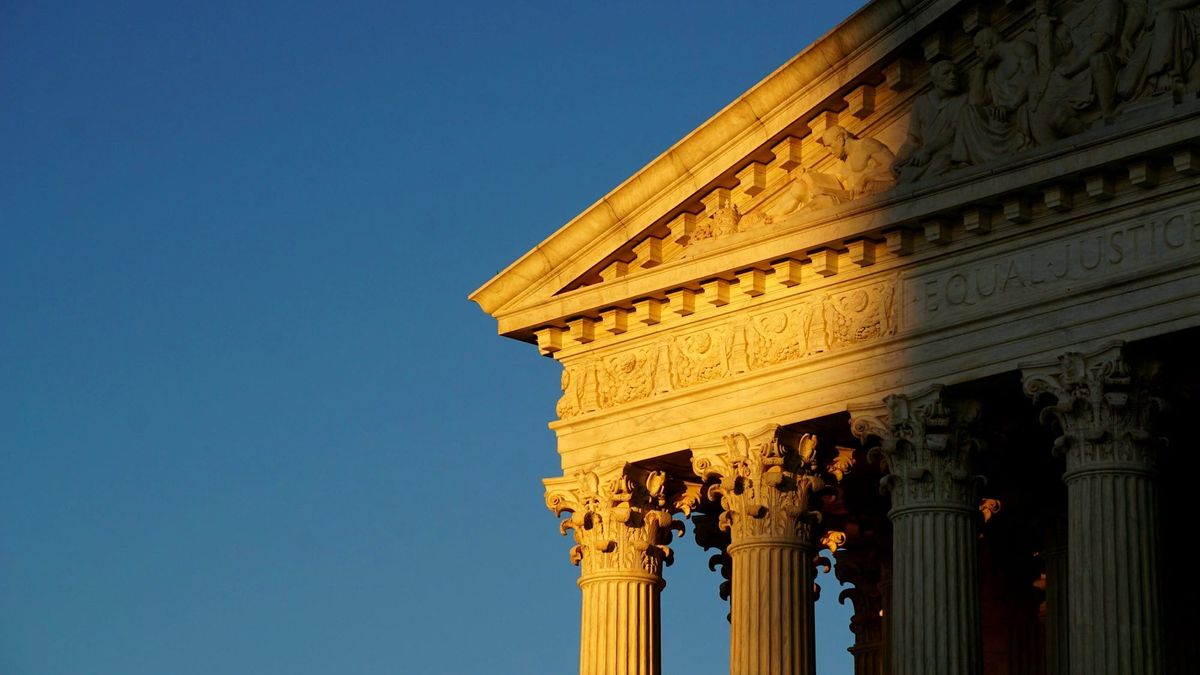
Article 6 of the U.S. Constitution establishes the Supremacy Clause, which states that the U.S. Constitution, federal laws, and formal agreements between the United States and other countries are the highest law of the land. Article 6 requires government officials to support the Constitution and states that no religious test can be required to hold public office.
Who Is Involved in Article 6?
Government Officials
Government officials are responsible for supporting and following the U.S. Constitution. Before taking office, they must take an oath, which is a public promise to support the U.S. Constitution.
Federal and State Courts
Federal and state courts apply the U.S. Constitution and federal laws when deciding cases involving federal law.
Congress
Congress approves formal agreements between the United States and other countries and passes federal laws under the Constitution.
What Does Article 6 Do?
Article 6 establishes three important rules:
- The U.S. Constitution is the highest law in the United States.
- Federal and state government officials must support the Constitution.
- A person cannot be required to follow or reject a religion to qualify for a government position.
How Does Article 6 Work?
- If a state law conflicts with the U.S. Constitution or a valid federal law, the Constitution or federal law takes priority.
- Before taking office, federal and state government officials take an oath to support the U.S. Constitution.
- People cannot be denied a government position because of their religion or because they do not follow a religion.
Where Does Article 6 Apply?
Article 6 applies throughout the United States.
- Federal government
- State governments
- State courts
- Federal courts
- Government officials
Why Was Article 6 Established?
Before the Constitution, the national government had limited authority under the Articles of Confederation, and states often followed their own rules.
When Was Article 6 Approved?
Article 6 was written during the Constitutional Convention in 1787.
It became part of the U.S. Constitution on June 21, 1788, when 9 of the 13 states approved the Constitution. The new federal government began operating under the Constitution on March 4, 1789, about 8 months later.
 MIMS Reports
Disclaimer
This content was researched and organized with the assistance of artificial intelligence (AI) and is intended for educational and informational purposes only. While we strive for accuracy, information may change over time. Readers are encouraged to verify important information using official sources and consult qualified professionals when making legal, financial, medical, or other important decisions.