The 13th Amendment Explained
Learn how the 13th Amendment abolished slavery in the United States and the lasting impact it had on American history and law.

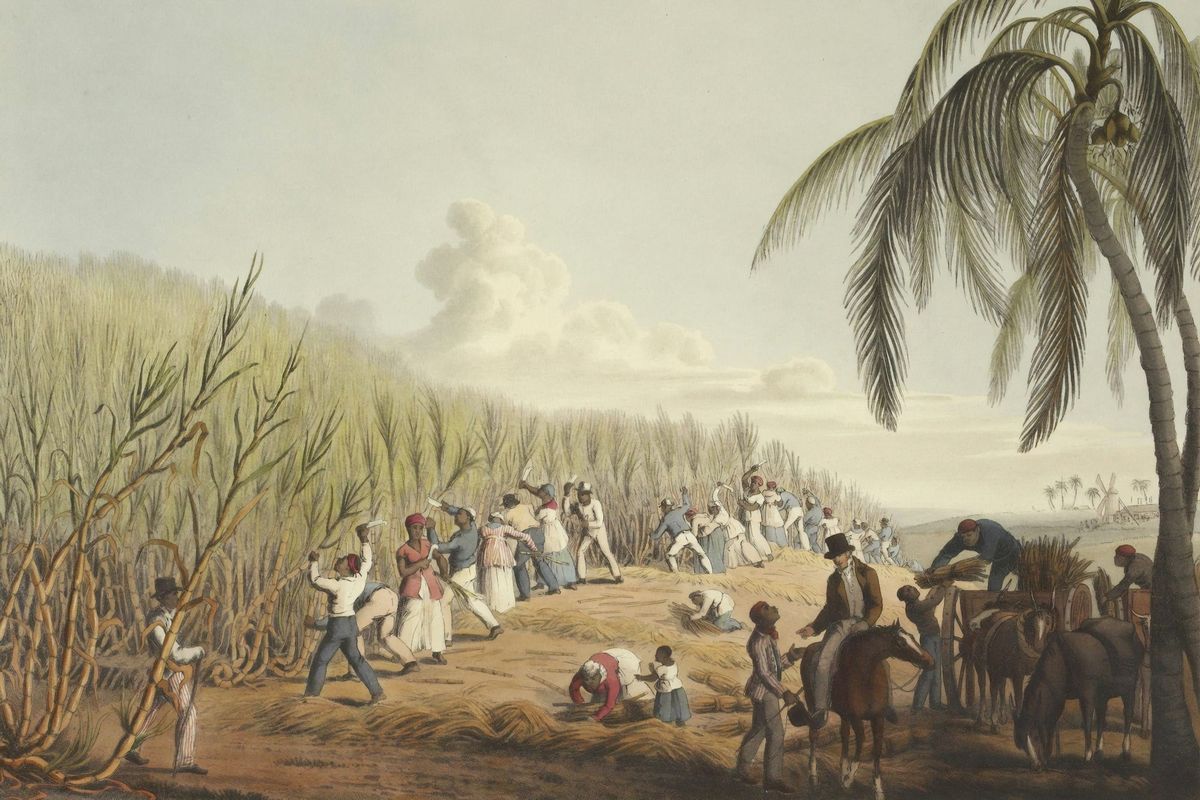
The 13th Amendment is part of the U.S. Constitution. It abolished slavery and involuntary servitude throughout the United States, except as punishment for a crime after a person has been convicted.
"Neither slavery nor involuntary servitude, except as a punishment for crime whereof the party shall have been duly convicted, shall exist within the United States, or any place subject to their jurisdiction."
Who Does the Thirteenth Amendment Protect?
The Federal Government
The federal government cannot allow slavery or involuntary servitude except as punishment for a crime after a person has been convicted.
State Governments
State governments cannot allow slavery or involuntary servitude except as punishment for a crime after a person has been convicted.
Private Businesses and Organizations Employees
Private businesses, private organizations, and private individuals cannot force people into slavery or involuntary servitude. Congress may pass laws to prevent and punish these practices.
The People
The people are protected from slavery and involuntary servitude throughout the United States.
What Does the Thirteenth Amendment Protect?
The 13th Amendment protects people from being forced into slavery or involuntary servitude.
Section 1
Ends slavery and forced labor in the United States, except as punishment for a crime after a person is convicted.
Section 2
Gives Congress the power to make laws that enforce this amendment.
The 13th Amendment does not prevent:
- Court-ordered work or labor that is part of a criminal sentence after a person has been convicted.
- Military service when required by law.
- Jury duty.
- Other legal civic responsibilities required by law.
How Does the Thirteenth Amendment Protect People?
The 13th Amendment makes slavery and involuntary servitude illegal throughout the United States, except as punishment for a crime after a conviction.
Congress may pass laws to prevent slavery, human trafficking, forced labor, and other practices that violate the amendment.
The 13th Amendment does not prevent:
- Military service when required by law
- Jury duty
- Community service ordered by a court
- Work that is required as part of a criminal sentence.
Where Does the Thirteenth Amendment Apply?
The 13th Amendment applies throughout the United States.
The Federal Government
The federal government must follow and enforce the protections established by the Thirteenth Amendment.
State Governments
State governments must follow and enforce the protections established by the Thirteenth Amendment.
Private Businesses and Organizations
Private businesses, private organizations, and private individuals cannot engage in slavery, forced labor, or human trafficking.
The People
The people are protected from slavery and involuntary servitude throughout the United States.
Why Was the Thirteenth Amendment Established?
The 13th Amendment was created to abolish slavery and involuntary servitude throughout the United States and to give Congress the power to enforce that protection.
Before the Civil War, slavery was legal in much of the United States. The Civil War led to renewed efforts to permanently end slavery across the country.
When Was the Thirteenth Amendment Approved?
The 13th Amendment was approved on December 6, 1865.
It was proposed by Congress on January 31, 1865 and approved by the states about 10 months later. The amendment permanently abolished slavery throughout the United States, except as punishment for a crime after a conviction.
Disclaimer
This content was researched and organized with the assistance of artificial intelligence (AI) and is intended for educational and informational purposes only. While we strive for accuracy, information may change over time. Readers are encouraged to verify important information using official sources and consult qualified professionals when making legal, financial, medical, or other important decisions.