The 16th Amendment Explained
The 16th Amendment is part of the U.S. Constitution. It gives Congress the power to collect a federal income tax without dividing the tax among the states based on population.

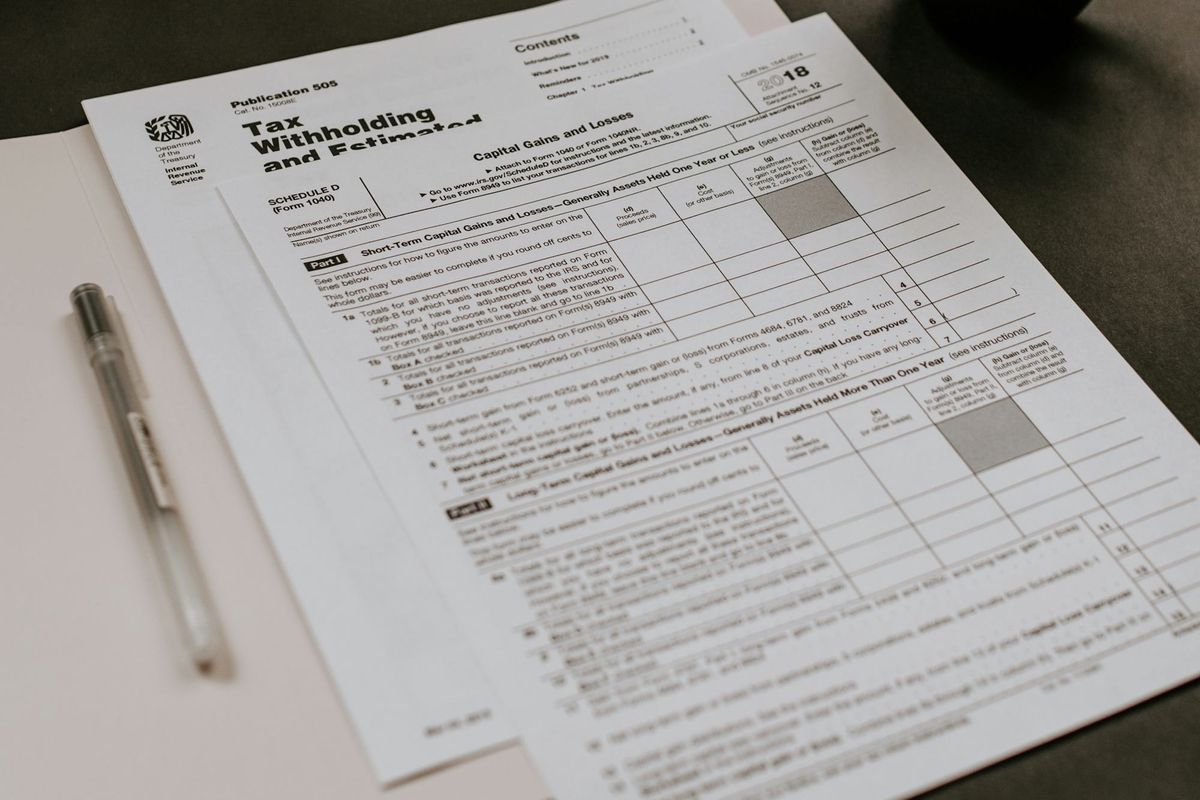
The 16th Amendment is part of the U.S. Constitution and gives Congress the power to collect a federal income tax without dividing that tax among the states based on population.
"The Congress shall have power to lay and collect taxes on incomes, from whatever source derived, without apportionment among the several States, and without regard to any census or enumeration."
Who Does the Sixteenth Amendment Affect?
The Federal Government
The federal government may collect a federal income tax as authorized by the Constitution.
State Governments
State governments continue to collect state taxes under their own laws.
The People
People and businesses that earn income are subject to federal income tax laws passed by Congress.
What Does the Sixteenth Amendment Protect?
The 16th Amendment protects Congress's constitutional authority to collect a federal income tax.
- Gives Congress the power to collect taxes on income.
- Allows the federal government to collect income taxes without dividing them among the states based on population.
- Provides a stable source of funding for the federal government.
The amendment does not determine tax rates, tax brackets, deductions, or exemptions. Those are established by federal law.
What Does the Sixteenth Amendment Do?
The 16th Amendment protects Congress's constitutional authority to collect a federal income tax.
- Gives Congress the power to collect taxes on income.
- Allows the federal government to collect income taxes without dividing them among the states based on population.
- Provides a stable source of funding for the federal government.
How Does the Sixteenth Amendment Work?
Congress passes laws that establish federal income tax rules. The Internal Revenue Service (IRS) administers those laws by collecting federal income taxes and enforcing the federal tax code. Congress may change federal income tax laws by passing new legislation.
The 16th Amendment allows the federal government to collect income taxes to help pay for government programs and services.
Examples include:
- National defense
- Roads and highways
- Social Security
- Medicare
- Federal law enforcement
- National parks
Where Does the Sixteenth Amendment Apply?
The 16th Amendment applies throughout the United States.
Individuals
Individuals earning taxable income must follow applicable federal income tax laws.
Businesses
Businesses earning taxable income must follow applicable federal income tax laws.
Federal Tax Laws
Federal income tax laws are administered and enforced by the Internal Revenue Service (IRS).
Why Was the Sixteenth Amendment Established?
The 16th Amendment was created to give Congress clear constitutional authority to collect a federal income tax without dividing it among the states based on population.
Before the 16th Amendment, the federal government's ability to collect income taxes was limited by Supreme Court decisions interpreting the Constitution.
When Was the Sixteenth Amendment Approved?
The 16th Amendment was approved on February 3, 1913.
It was proposed by Congress on July 12, 1909 and approved by the states about 3 years and 7 months later. The amendment gave Congress clear constitutional authority to collect a federal income tax.
Disclaimer
This content was researched and organized with the assistance of artificial intelligence (AI) and is intended for educational and informational purposes only. While we strive for accuracy, information may change over time. Readers are encouraged to verify important information using official sources and consult qualified professionals when making legal, financial, medical, or other important decisions.