The 2026 Lame Duck Session Explained
Learn what a lame-duck session is, why outgoing lawmakers still vote, and what Congress must finish before the new Congress begins in January.

What Is the Lame Duck Session?
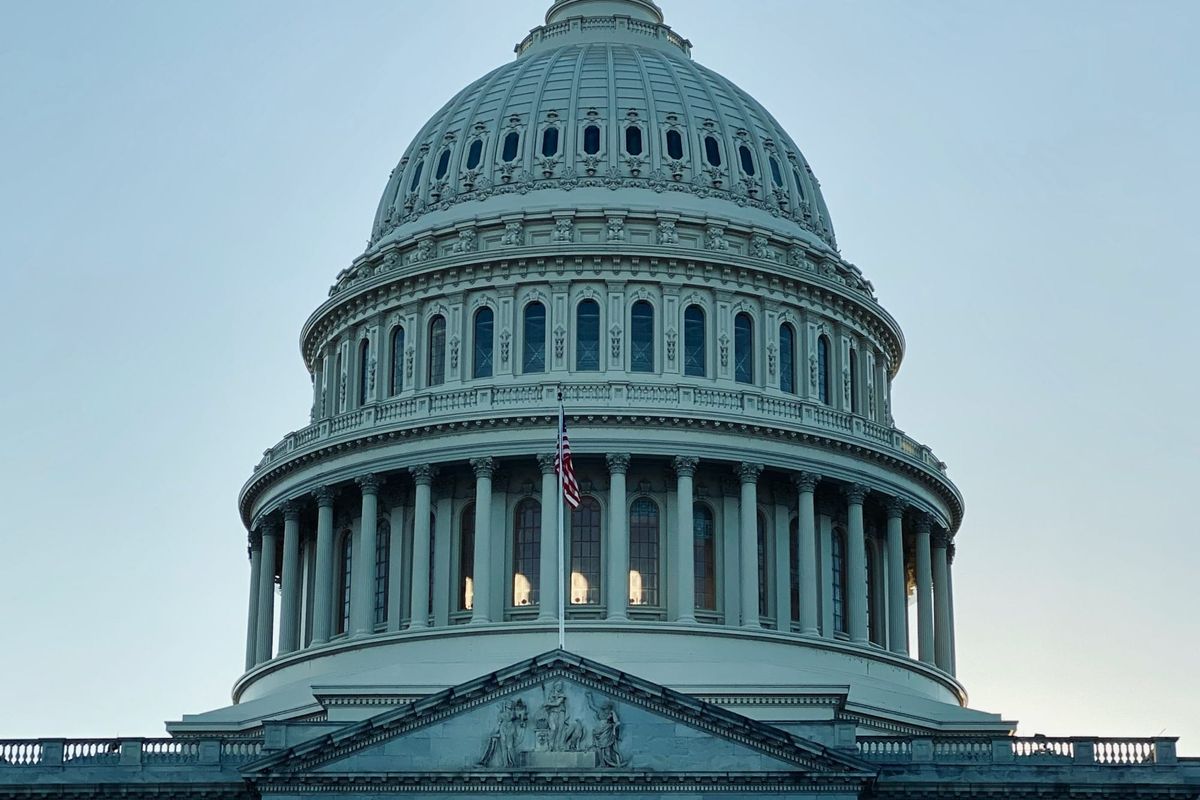
A lame duck session is a meeting of the U.S. Congress held after a November election but before the newly elected Congress is sworn in. The outgoing Congress keeps all of its powers. The 119th Congress returned for its lame duck session on November 9, 2026. Republicans lead both chambers until January 3, 2027, when Democrats take control after winning the 2026 midterm elections.
Why Did It Happen?
Elections for Congress are held in November of even numbered years, but each new Congress starts on January 3 of the next year. That leaves about two months. Before the 20th Amendment was ratified in 1933, the gap was about 13 months. The amendment moved the start of terms in Congress to January 3 and the U.S. President's term to January 20.
Supporters say lame duck sessions give Congress time to finish needed work, such as funding the government. Critics say outgoing members may answer less to voters.
How Does It Affect People?
All current members keep full voting rights until the end of each term, including members who lost or did not run again. Members elect cannot vote on bills. Members elect hire staff, attend orientation and help choose party leaders. The Senate can still confirm presidential nominees.
Which bills pass depends on deals between the House, the Senate and the President. Any bill not passed by the end of the 119th Congress dies and must be introduced again.
The U.S. government runs on a continuing resolution that ends on December 11, 2026. Congress must pass full year spending bills or another continuing resolution by then. If neither passes, parts of the government shut down. A shutdown affects U.S. government workers and the people who use government services.
Congress also has not finished the National Defense Authorization Act, the yearly law that sets military rules and spending. Congress has passed it every year for more than 60 years. Other bills include the Water Resources Development Act and the Farm Bill. Health and aid programs such as Temporary Assistance for Needy Families end on December 31, 2026, unless extended.
What Happens Next?
The funding deadline is December 11, 2026. Party leadership votes continue, with Senate Democrats set to choose a leader on December 1. States finish certifying results, including any recounts. The 119th Congress ends at noon on January 3, 2027, when the 120th Congress is sworn in and the House elects a Speaker.
Sources
Disclaimer
This content was researched and organized with the assistance of Super Intelligence (SI) and is intended for educational and informational purposes only. MIMS Reports strives for accuracy, but information may change over time. Readers are encouraged to verify important information using official sources and consult qualified professionals when making legal, financial, medical, or other important decisions.