Thanksgiving Explained
Learn how Thanksgiving began, how Lincoln and FDR shaped the holiday, and why it falls on the fourth Thursday of November.

What Is Thanksgiving?
Thanksgiving is a national holiday in the United States, held on the fourth Thursday of November. People give thanks, gather with family and friends, and share a large meal. Canada holds its own Thanksgiving on the second Monday of October.
Why Did It Happen?
The holiday traces back to a harvest celebration in 1621 at Plymouth Colony, an English settlement in what is now the U.S. state of Massachusetts. The colonists, now known as the Pilgrims, had arrived on the Mayflower in 1620, and about half died in the first winter.
The colony was built on the homeland of the Wampanoag people.
In March 1621, the Wampanoag leader Ousamequin, also known as Massasoit, made an alliance with the colonists. Wampanoag historians cited by the Plimoth Patuxet Museums say Ousamequin wanted a partner with guns for defense against the Narragansett, a rival nation. About 90 Wampanoag men joined the 53 surviving colonists for a celebration of about three days. The only surviving eyewitness account, a letter by colonist Edward Winslow, mentions birds hunted for the meal and five deer brought by the Wampanoag. The colonists did not call the event Thanksgiving.
How Does It Affect People?
For years, the date depended on proclamations.
In 1789, President George Washington named a day of thanksgiving at the request of the U.S. Congress. Magazine editor Sarah Josepha Hale wrote letters for years asking for a national day. On October 3, 1863, President Abraham Lincoln named the last Thursday of November as Thanksgiving. Later presidents issued a proclamation each year, but each state governor still decided the state's holidays.
In 1939, during the Great Depression, President Franklin D. Roosevelt moved the holiday one week earlier to give stores a longer shopping season. The states split over which date to keep. To end the confusion, Congress passed House Joint Resolution 41, signed on December 26, 1941, as Public Law 77 379.
The law made the fourth Thursday of November a legal public holiday starting in 1942, so the date falls between November 22 and 28. Only Congress can change the date, by passing a new law.
On Thanksgiving, U.S. government offices close and national government workers get a paid day off. Each state sets its own holidays. Private employers decide whether to give workers the day off.
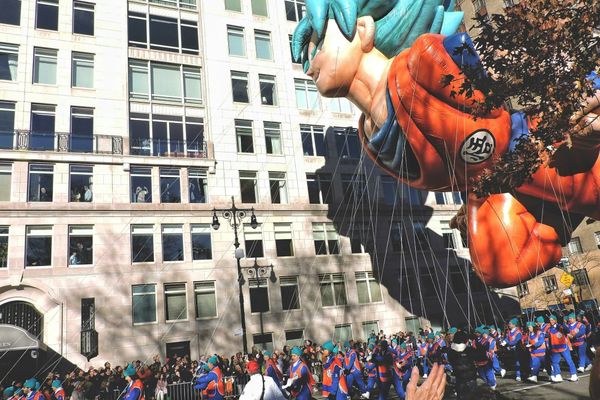
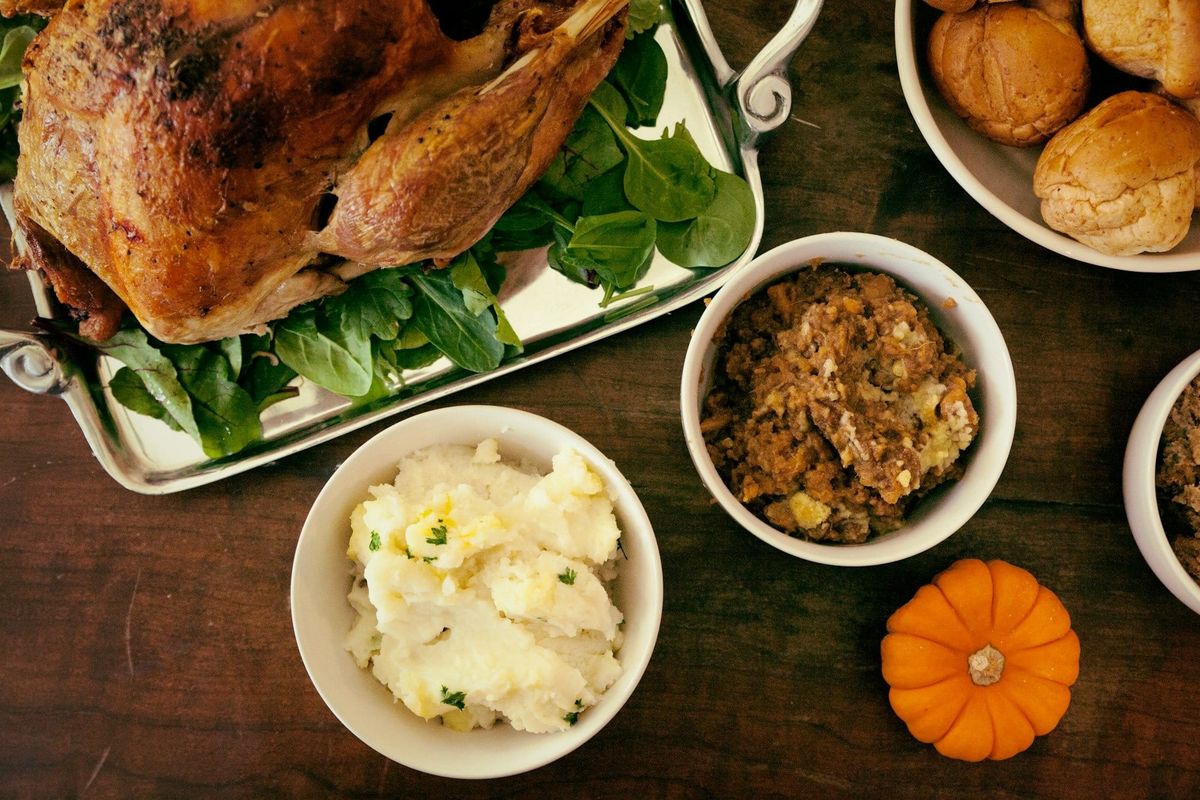
Families share meals of turkey, stuffing, cranberry sauce, mashed potatoes and pumpkin pie. Menus differ from home to home. Parades, football games and volunteer meal service fill the day. The holiday weekend is one of the busiest travel times of the year.
For Native American groups such as United American Indians of New England, the day is also a day of mourning. Since 1970, the group has met in Plymouth on Thanksgiving Day for a National Day of Mourning. The event remembers the effects of colonization on Native peoples.
Why Does It Still Matter?
Thanksgiving shows how a local harvest meal grew into a national holiday set by law. Giving thanks for the harvest is shared across the world. China, Taiwan and Vietnam hold the Mid Autumn Festival. Jewish families mark Sukkot, Tamil communities in southern India hold Pongal, and the Ewe people of Ghana hold a Yam Festival. Each family and community marks Thanksgiving in its own way.
Sources
- Plimoth Patuxet Museums, Eyewitness Account of the 1621 Harvest Celebration, Edward Winslow
- Pilgrim Hall Museum, Who Was at the First Thanksgiving at Plymouth
- Plimoth Patuxet Museums, Wampanoag Perspectives on the Plymouth and Pokanoket Alliance
- Pilgrim Hall Museum, National Day of Mourning
- National Archives, Congress Establishes Thanksgiving
- Abraham Lincoln Online, Proclamation of Thanksgiving, October 3, 1863
- National Archives, Prologue, Thanksgiving: Another FDR Experiment
- House Joint Resolution 41, Public Law 77-379, 55 Stat. 862, December 26, 1941
- 5 U.S.C. 6103, Holidays
- U.S. Department of Labor, Holiday Pay
- Encyclopaedia Britannica, 5 Harvest Festivals Around the World
Disclaimer
This content was researched and organized with the assistance of Super Intelligence (SI) and is intended for educational and informational purposes only. MIMS Reports strives for accuracy, but information may change over time. Readers are encouraged to verify important information using official sources and consult qualified professionals when making legal, financial, medical, or other important decisions.