The Macy's Thanksgiving Day Parade Explained
Learn how the Macy's parade began in 1924, how its giant balloons work, and why the parade still marks the start of the holiday season.

What Is the Macy's Thanksgiving Day Parade?
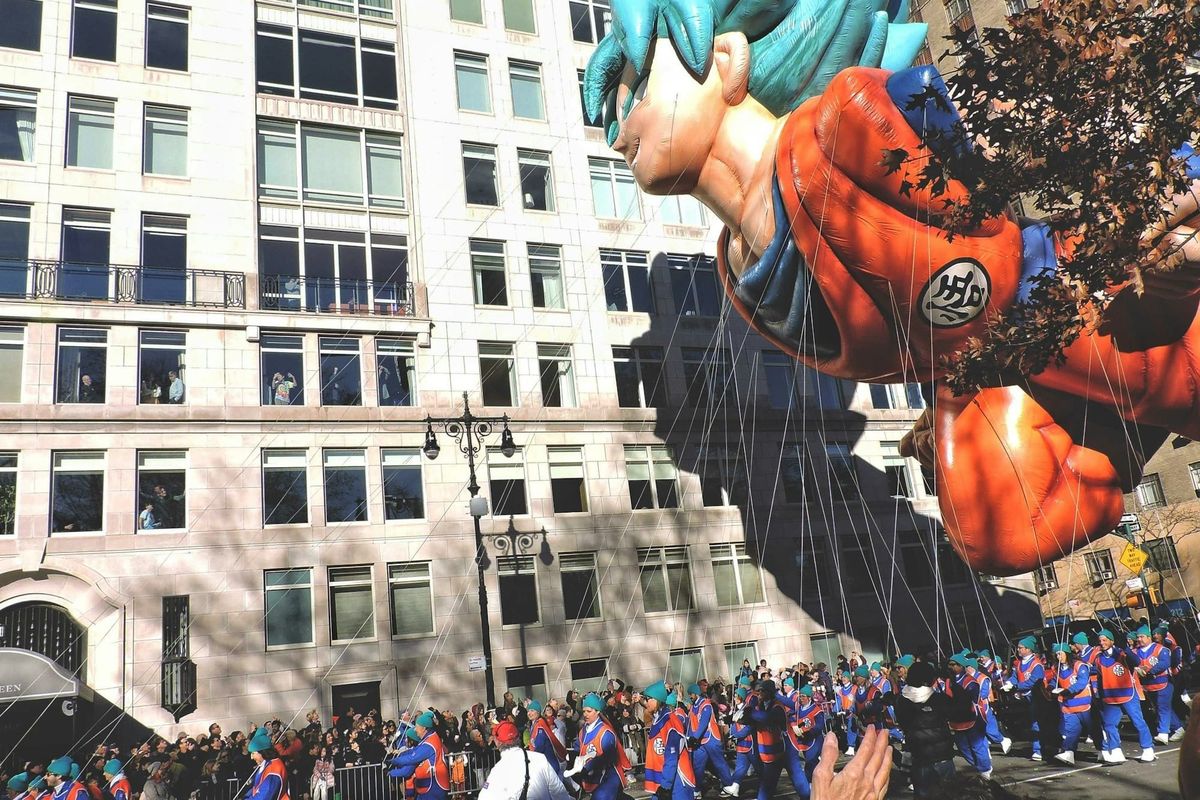
The Macy's Thanksgiving Day Parade is a yearly parade in New York City, in the United States, and usually takes place on the morning of the U.S. holiday of Thanksgiving. Macy's, a U.S. department store chain, runs the parade, which began in 1924. The parade is known for giant character balloons, floats, marching bands and performers, and it ends with the arrival of Santa Claus.
Macy's Studios in New Jersey designs and builds the balloons. Crews usually fill the balloons with helium the day before Thanksgiving near the American Museum of Natural History in Manhattan. In past years, the public has been allowed to watch the balloons being filled.
The starting point of the route moved to 77th Street in 1946. The modern route runs about 2.5 miles, from 77th Street and Central Park West, down Central Park West and Sixth Avenue, to Macy's in Herald Square on 34th Street.
On parade day, teams of volunteer handlers guide each balloon with ropes, along with vehicles that help anchor the larger ones.
New York City sets the safety limits. After high winds caused a balloon accident that injured spectators in 1997, the city adopted rules on balloon flights in strong winds. Giant balloons stay out of the parade if sustained winds are above 23 mph (37 km/h) or gusts are above 34 mph (55 km/h). Weather and wind can also delay the parade or change which balloons fly.
Why Did It Happen?
Macy's employees, including immigrant workers, organized the first parade on November 27, 1924. It was first called the Macy's Christmas Parade, and its purpose was to celebrate the holiday season and draw shoppers to the store. The first parade traveled more than 5 miles, from 145th Street and Convent Avenue in Harlem to the Macy's flagship store in Herald Square. It had floats, bands and animals borrowed from the Central Park Zoo.
In 1927, giant balloons replaced the live animals. Puppeteer and illustrator Tony Sarg designed the first ones, starting with Felix the Cat. Early balloons were filled with air. In 1928, Macy's began filling the balloons with helium. After early parades, the balloons were released into the sky, and a person who found a balloon was able to return it for a reward. That practice ended in the early 1930s.
How Does It Affect People?
Crowds line the streets of Manhattan, and viewers across the United States watch on television. Thousands of volunteers and participants take part each year.
The parade was canceled from 1942 to 1944, during World War II, because rubber and helium were needed for the war effort. It returned in 1945. Those three canceled years mean the number of parades is three fewer than the number of years since 1924. In 2020, during the COVID pandemic, the parade was reduced to a short filmed event with no live street crowds.
The 1947 film Miracle on 34th Street featured the parade and made it famous across the United States. The first national television broadcast of the parade also took place in 1947.
Why Does It Still Matter?
The parade links Thanksgiving with the start of the holiday shopping season, and it remains a shared television event in the United States. NBC, a U.S. television network, airs the parade on Thanksgiving morning. Santa Claus has closed the parade since 1924, with one exception in the 1930s, and the arrival of Santa Claus at Herald Square marks the start of the holiday season for many households.
The parade began as a store celebration with zoo animals and grew into one of the best known holiday events in the United States. Weather, wind and city safety rules can change how the parade looks on the day, but the event continues each year as a public gathering and a national broadcast.
Sources
- Macy's, Thanksgiving Day Parade history
- Macy's, Inc., A Historic Procession, November 1, 2016
- Library of Congress, Macy's Thanksgiving Parade, This Month in Business History
- CentralPark.com, Macy's Thanksgiving Day Parade route
- NBC New York, When and why wind limits were put in place for parade balloons