Recounts Explained
Learn when a recount happens, how automatic and requested recounts work, and how often they change the result.

What Are Recounts?
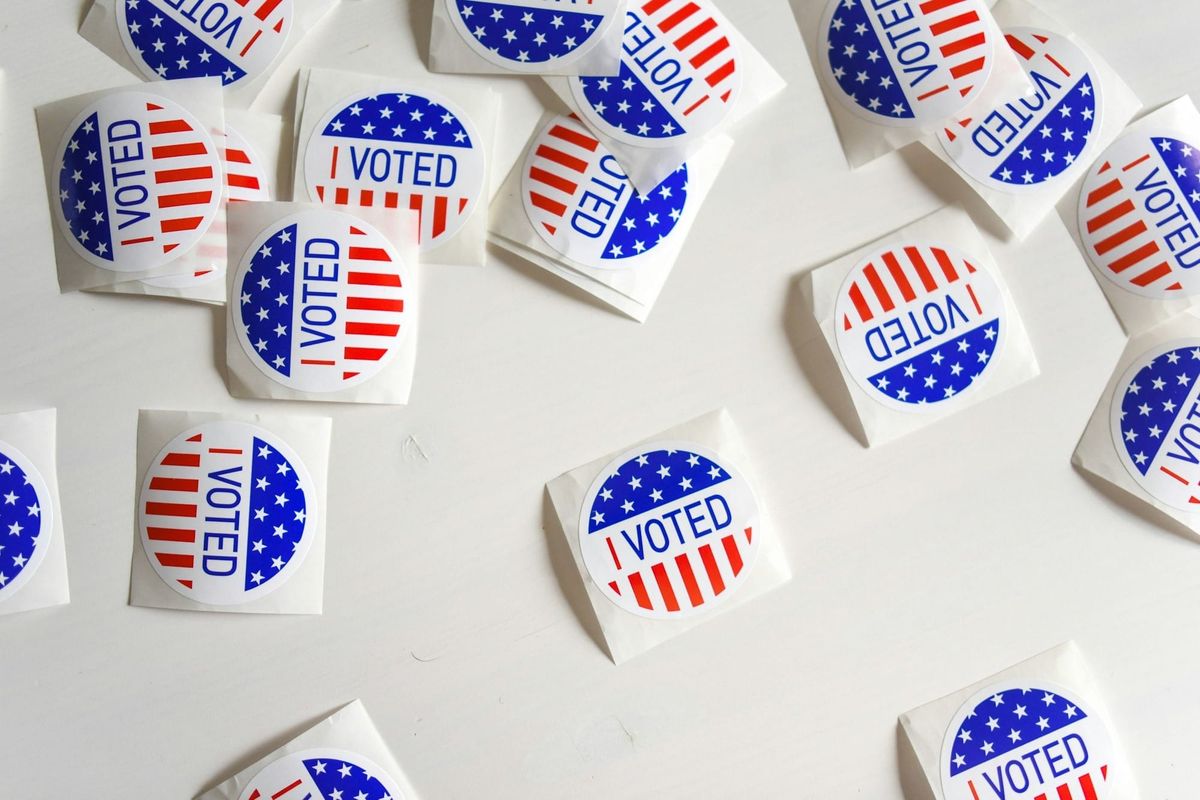
A recount is a second count of the ballots in an election to confirm that the first count was accurate. In the United States, recounts follow state law. The rules on when a recount happens, who can ask and who pays differ by state. Recounts happen mainly when a race is close.
Why Did It Happen?
A recount happens in two main ways. An automatic recount is required by state law when the margin falls within a set threshold. According to the National Conference of State Legislatures, 26 states, plus Washington, D.C., and Puerto Rico, provide for automatic recounts. Thresholds range from a 1% margin to an exact tie, and 0.5% is the threshold used by the largest number of states.
A requested recount is asked for by a candidate, voter, party or official. According to the conference, 41 states and Washington, D.C., allow requested recounts. Arizona, Florida, New York and six other states have no requested recount process. In Illinois, Mississippi and Tennessee, only a court or similar body can order one, as part of an election contest.
How Does It Affect People?
In a machine recount, paper ballots run through scanners again. In a hand recount, workers count paper ballots by hand, which can include ballots the machines did not read. State rules guide how to judge what a voter meant when a mark is unclear. Candidates, parties and the public can watch, and representatives may challenge decisions on single ballots.
States set deadlines. Florida requires automatic recounts to finish by 3 PM on the ninth day after the election. States or counties pay for automatic recounts. For requested recounts, the person asking pays a deposit in a large share of states. The deposit is refunded if the result reverses.
A recount differs from an audit. A recount is a full second count of one race.
Recounts affect candidates, voters and the officials who run elections. Recounts rarely change the winner. A report by FairVote, a nonpartisan group, found 37 completed statewide recounts out of 7,437 statewide general elections from 2000 to 2025. Three changed the outcome: the 2004 Washington governor race, the 2006 Vermont state auditor race and the 2008 Minnesota U.S. Senate race. Each reversal came when the first count margin was under 0.06%.
What Happens Next?
Close races in future elections can lead to recounts under each state's law, often during the weeks when states certify results. One example came after the November 3, 2026, elections, when Florida's 27th Congressional District had an automatic machine recount. The first count showed Republican María Elvira Salazar ahead of Democrat Eliott Rodriguez by 0.44%, under Florida's 0.5% threshold. Miami Dade County finished the recount on November 10, 2026, and Salazar was declared the winner by about 1,086 votes.
Sources
- Miami Herald, Salazar declared winner of Miami congressional race after two day recount, November 12, 2026
- Miami-Dade County, Supervisor of Elections announces completion of the U.S. Congressional District 27 recount, November 10, 2026
Disclaimer
This content was researched and organized with the assistance of Super Intelligence (SI) and is intended for educational and informational purposes only. MIMS Reports strives for accuracy, but information may change over time. Readers are encouraged to verify important information using official sources and consult qualified professionals when making legal, financial, medical, or other important decisions.