Black Friday Explained
Learn where the name Black Friday came from, why it kicks off the holiday shopping season, and how it has changed with online shopping.

What Is Black Friday?
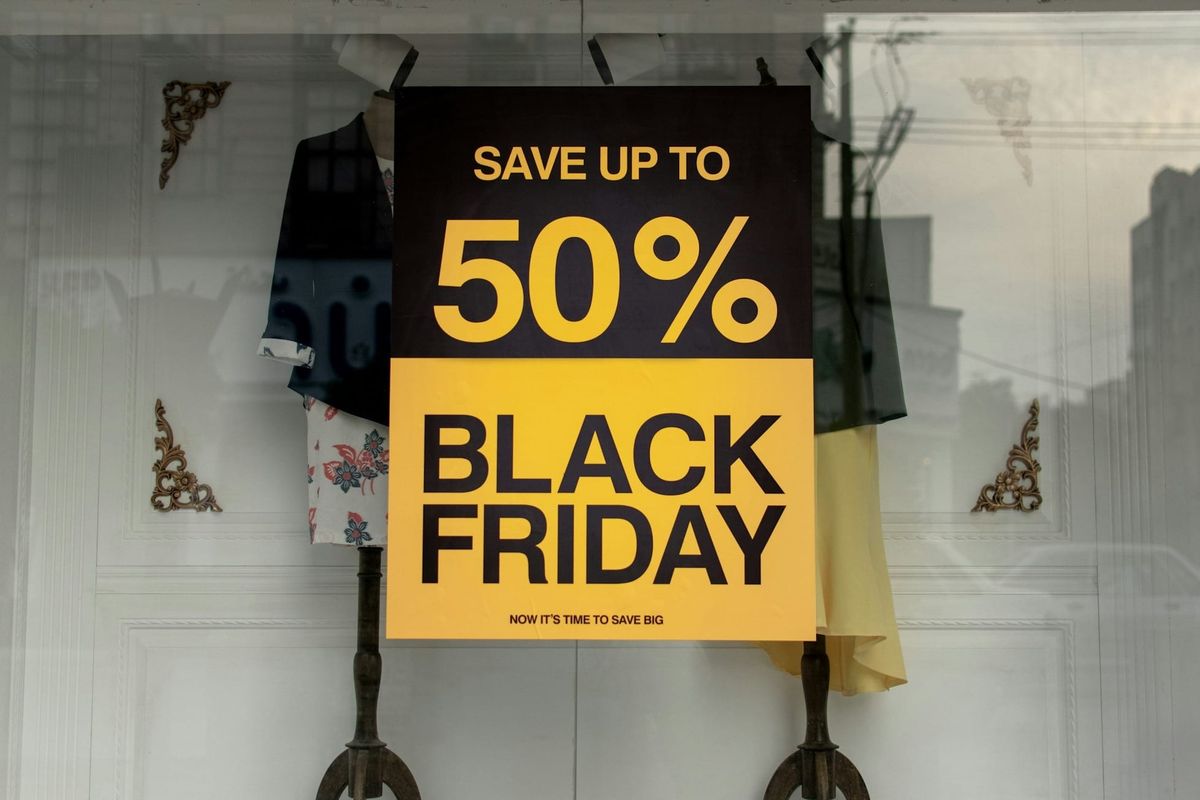
Black Friday is the day after the U.S. holiday of Thanksgiving, when stores and websites in the United States offer large discounts. It marks the start of the U.S. holiday shopping season. Black Friday falls on the Friday after Thanksgiving, in a shopping period that also includes Small Business Saturday and Cyber Monday.
Why Did It Happen?
In the 1800s, Black Friday described money crises, such as the gold price crash of September 24, 1869. The modern use began in Philadelphia, a U.S. city, in the 1950s and 1960s. Police there used the name for the heavy crowds and traffic on the day after Thanksgiving.
A later story says the name comes from stores turning a profit for the year. Historians note that this story spread after the police use, as stores gave the name a positive meaning.
Since the late 1800s, department stores have treated Thanksgiving as the start of Christmas shopping. Schools close and employers in a range of industries give the day off, so stores began special sales to draw shoppers.
How Does It Affect People?
Stores set the sale prices, hours and return rules. No law creates Black Friday or requires sales.
Over the past two decades, the day has changed:
- Online shopping: Shoppers buy from phones and computers instead of only waiting in store lines.
- Longer sales: Retailers such as Amazon, Walmart and Target start deals days or weeks early and run sales through Cyber Monday.
- Store hours: Walmart and Target, which once opened on Thanksgiving evening, now keep stores closed on Thanksgiving Day.
The U.S. Federal Trade Commission enforces U.S. consumer protection laws. The agency and consumer groups advise shoppers to compare prices, check holiday return rules, set a budget and buy from known sellers.
The holiday weekend draws a large share of U.S. shoppers. Figures for 2025 show the scale.
- Shoppers: A record 202.9 million people shopped from Thanksgiving Day through Cyber Monday, according to a National Retail Federation survey. That was up from 197 million in 2024.
- Black Friday shoppers: About 80.3 million people shopped in stores and about 85.7 million shopped online on Black Friday, according to the same survey.
- Online spending: Shoppers spent about 11.8 billion U.S. dollars online on Black Friday, up 9.1% from 2024, according to Adobe Analytics.
These figures come from different groups that use different methods, so the figures should not be added together.
Fake websites, ads and delivery texts rise during the holiday season, so shoppers face a higher risk of scams.
What Happens Next?
Totals for a holiday weekend come out after Cyber Monday. In 2025, the National Retail Federation and Adobe both shared totals on December 2.
Sources
- National Retail Federation, Thanksgiving Holiday Weekend Draws a Record 203 Million Shoppers, December 2, 2025
- Adobe, Cyber Monday Hits Record 14.25 Billion in Online Spending, December 2, 2025, with Black Friday 2025 online total
- Reuters, Record 11.8 billion in Black Friday online spending, November 29, 2025
- U.S. Federal Trade Commission, Consumer Advice: Shopping and Donating
Disclaimer
This content was researched and organized with the assistance of Super Intelligence (SI) and is intended for educational and informational purposes only. MIMS Reports strives for accuracy, but information may change over time. Readers are encouraged to verify important information using official sources and consult qualified professionals when making legal, financial, medical, or other important decisions.