2027 Medicare Eligibility Changes for Noncitizens Explained
A U.S. law limits Medicare to citizens, green card holders and two other groups. Learn who loses coverage on February 1, 2027, what the Social Security letters mean, and how appeals work.

What Is the 2027 Medicare Eligibility Change?
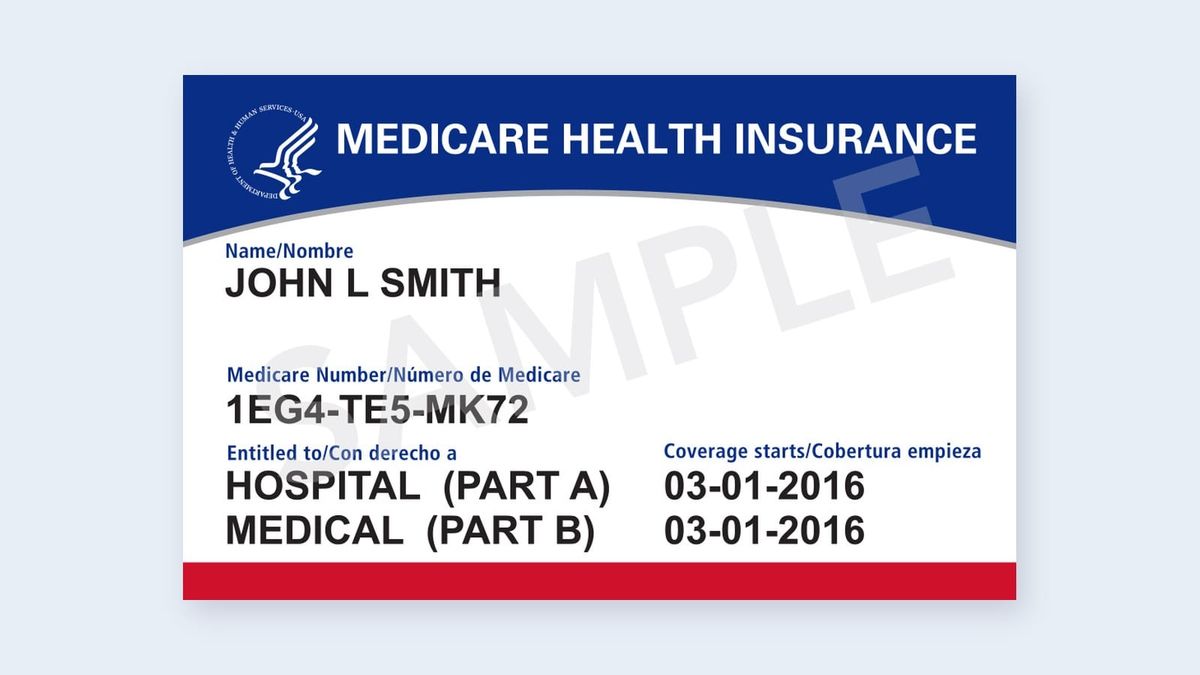
A United States law limits which noncitizens can have Medicare. For people enrolled on or before July 4, 2025, coverage ends on February 1, 2027, unless the person is in a group the law allows. In November 2026, the U.S. Social Security Administration (SSA) began mailing letters to people on Medicare whose records do not show an eligible status. SSA estimates it is sending about 300,000 of these first letters.
The rule comes from Public Law 119 21, signed on July 4, 2025. Section 71201 of that law added section 1899C to the U.S. Social Security Act. Only four groups may now have Medicare:
- U.S. citizens and U.S. nationals
- Lawful permanent residents
- Cuban and Haitian entrants, a U.S. immigration status created in 1980 for people arriving from Cuba and Haiti
- People living in the United States under a Compact of Free Association
People in these groups must still meet the other Medicare rules, such as age and work history. A lawful permanent resident who buys Medicare without enough work history also needs five years of living in the United States.
Here is how the change works, step by step.
- The law told SSA to review each person enrolled on July 4, 2025, within one year.
- SSA mails a first letter to each person whose records do not confirm an eligible status. The letter asks for proof of citizenship or immigration status.
- SSA sends a formal termination notice to each person who does not prove eligibility.
- Coverage then ends. For people who enrolled after July 4, 2025, it ends at the end of the month after the notice date.
Under Article 1 of the U.S. Constitution, the U.S. Congress makes laws on how national programs spend money. The U.S. Centers for Medicare and Medicaid Services (CMS) wrote the rules that carry out the law. SSA decides each case. CMS says the law gives it no power to extend the end date. Only a new law can change who qualifies.
Why Did It Happen?
Before this law, any noncitizen lawfully present in the United States qualified for Medicare by meeting the other rules.
The U.S. Congress passed the law as one large bill on taxes and spending. It is known as the One Big Beautiful Bill Act. CMS calls it the Working Families Tax Cut legislation. The law gave people already on Medicare 18 months of continued coverage before the limit applies.
CMS put the change into a final rule published in the Federal Register on November 9, 2026. The Federal Register is the official daily journal of U.S. government rules.
Countries set health coverage rules for noncitizens in different ways. The United Kingdom, for example, charges people on temporary visas an Immigration Health Surcharge to use its National Health Service.
How Does It Affect People?
A first letter is not a final decision. The CMS Office of the Actuary estimates about 32,000 people lose coverage. CMS says the real number is unknown, because people who get a letter can still send proof.
Groups that lose Medicare include refugees and people granted asylum.
People with Temporary Protected Status, a U.S. permit to stay for people from countries hit by war or other emergencies, also lose Medicare. So do people paroled into the United States for at least one year and survivors of human trafficking. A person in these groups who becomes a lawful permanent resident can keep Medicare.
Workers in these groups paid payroll taxes, and those taxes still do not keep Medicare in place. The law gives no refund of taxes or premiums already paid.
Social Security retirement and disability payments do not change. A person can keep those payments and still lose Medicare.
CMS does not take back payments for care received before coverage ends. Private Medicare plans end on the same date once SSA updates its records. CMS says people who lose Medicare for this reason also cannot get U.S. help paying for a private plan on HealthCare.gov, the U.S. health insurance marketplace website.
What Happens Next?
- November 10, 2026: The U.S. Railroad Retirement Board, which handles Medicare for railroad retirees, mailed its letters.
- December 2026: SSA sends formal termination notices. Medicare sends a warning notice on pink paper.
- January 1, 2027: The CMS rule takes effect.
A person who disagrees with a termination notice can ask SSA for reconsideration within 60 days of receiving it.
Next come a hearing before an SSA administrative law judge, a review by the SSA Appeals Council and then a U.S. district court. Coverage does not continue during an appeal. If SSA later finds the person qualified, Medicare is restored back to the end date.
A person who later gains an eligible status has 12 months to sign up again. CMS says no late penalty applies.
Sources
- Public Law 119-21, An Act To provide for reconciliation pursuant to title II of H. Con. Res. 14, section 71201, July 4, 2025 (Social Security Act section 1899C, 42 U.S.C. 1395mmm)
- U.S. Centers for Medicare and Medicaid Services, CY 2027 Physician Fee Schedule final rule, CMS-1848-F, 91 FR 70992, section E, Limiting Medicare Coverage of Certain Individuals, November 9, 2026
- Medicare.gov, Medicare disenrollment warning notice
- U.S. Centers for Medicare and Medicaid Services, New Medicare Eligibility Rules for Noncitizens Job Aid, November 2026
- U.S. Railroad Retirement Board, Changes to Medicare Eligibility, Public Law 119-21
- Congressional Research Service, Health Provisions in P.L. 119-21, the FY2025 Reconciliation Law, R48633, August 18, 2025
- The Washington Post, 300,000 legal immigrants told they are losing Medicare coverage, November 24, 2026
- Medicare Rights Center, Thousands More Medicare Beneficiaries at Risk of Losing Coverage, November 12, 2026
- Center for Medicare Advocacy, Final Rule Implementing HR1 Medicare Immigration Related Changes: Updated Explainer, November 23, 2026
- U.S. Social Security Administration appeals rules, 20 CFR part 404, subpart J
- UK government, Pay for UK healthcare as part of your immigration application
- The Constitution of the United States, Article 1, Section 8