The Presidential Turkey Pardon Explained
Learn how the presidential turkey pardon tradition started, which presidents shaped it, and what happens to the turkeys afterward.

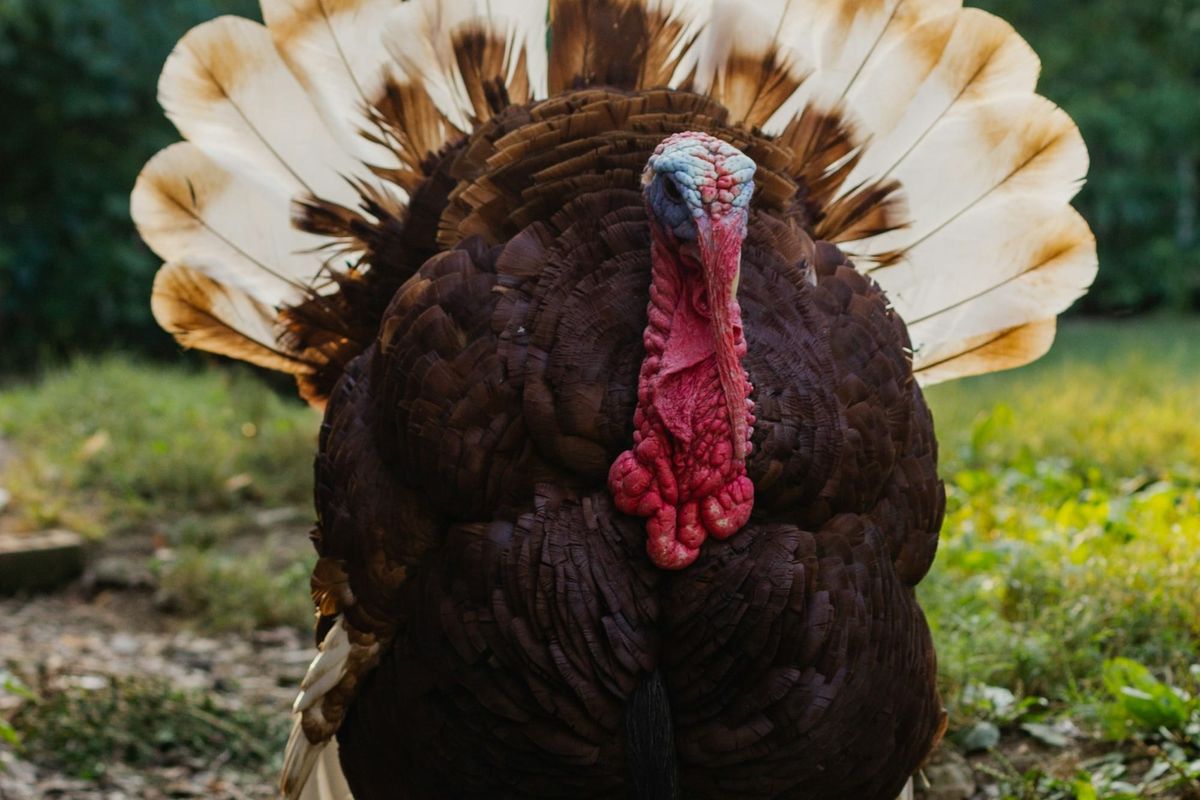
What Is the Presidential Turkey Pardon?
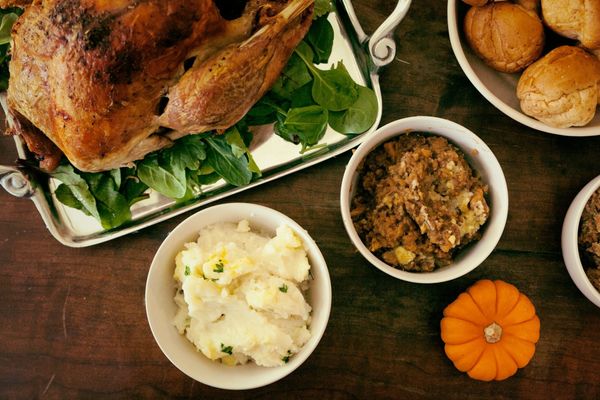
The presidential turkey pardon is a yearly ceremony at the White House, the home and office of the President of the United States. Shortly before the U.S. holiday of Thanksgiving, the President spares one or two turkeys from becoming a holiday meal. The ceremony has been held every year since 1989. The U.S. Constitution gives the President the power to pardon people for crimes under national law. The turkey pardon borrows the word as a joke and has no legal effect.
Why Did It Happen?
People sent turkeys to presidents long before any pardon. From 1873 until 1913, Rhode Island poultry dealer Horace Vose sent turkeys to the White House for Thanksgiving and Christmas. A newspaper story from 1865 said Abraham Lincoln's young son Tad persuaded his father to spare a turkey meant for Christmas dinner.
On December 15, 1947, Harry Truman received a turkey from the Poultry and Egg National Board and the National Turkey Federation. He was the first president to receive a bird from these groups. The bird was accepted for Christmas dinner. Truman is sometimes credited with the first pardon, but no record shows that he pardoned a bird.
- 1963: John F. Kennedy chose not to eat a turkey presented to him days before his assassination and said to let the bird grow.
- 1987: Ronald Reagan used the word pardon in a joke during the turkey presentation.
- 1989: George H.W. Bush made the pardon an official part of the ceremony.
How Does It Affect People?
The National Turkey Federation, a trade group, provides the birds.
Each year, the chair of the group picks a farmer from the chair's home state to raise a flock. The birds get used to crowds, camera lights and noise. Two are chosen for looks and calm behavior. One becomes the National Thanksgiving Turkey, and the other is the alternate.
The turkeys get names, chosen by the White House or through a public vote. The ceremony is a White House tradition, not a duty set by law. The President decides whether to hold it.
The pardoned birds avoid the dinner table. After the ceremony, the turkeys go to a farm or university where caretakers look after the birds. Turkeys bred for food grow large fast, and that rapid growth can cause health problems that shorten the birds' life span.
The farm family that raises the flock and the turkey industry gain national attention. For the public, the event is a light moment in the U.S. President's schedule, with jokes and holiday greetings.
Why Does It Still Matter?
The ceremony marks the start of the Thanksgiving holiday in the United States and draws news coverage each year. The ceremony is usually held the Tuesday before Thanksgiving on the White House South Lawn. The birds are raised on a farm and brought to Washington for the ceremony.
Students at a local school suggested three pairs of names: Commander and Chief, Freedom and Feathers, and Honey and Ham. The public chose Freedom and Feathers. A second public vote on November 23 chose which bird receives the ceremonial pardon at the White House. Both birds are pardoned and will retire to Texas A&M University. In 2025, President Donald Trump pardoned turkeys named Gobble and Waddle.
Sources
- White House Historical Association, Which president started the tradition of pardoning the Thanksgiving turkey?
- White House Historical Association, Good Eatin Mr. President: The Curious Origins of the White House Turkey Pardon
- White House Historical Association, Horace Vose and the White House Holiday Turkeys
- Harry S. Truman Library, Did Truman Pardon a Turkey?
- The White House, 2026 National Thanksgiving Turkey Pardon, ceremony date, farm and name vote
- The White House, Voting Begins for the 2026 National Thanksgiving Turkey Pardon Ceremony, November 23, 2026
- Office of the Governor of West Virginia, Pendleton County Farm That Raised the 2026 Presidential Thanksgiving Turkey, November 18, 2026
- WDTV, Two Pendleton County turkeys head to the White House after Brandywine Elementary send off, November 18, 2026
- Hopewell Heritage Headlines, Public Vote Open to Name This Year's White House Thanksgiving Turkeys, November 19, 2026
- U.S. National Archives, The Constitution of the United States, A Transcription, Article II, Section 2, pardon power
- National Center for Appropriate Technology, Pastured Turkey Production, May 2018
- The Livestock Conservancy, Heritage Turkey Definition
Disclaimer
This content was researched and organized with the assistance of Super Intelligence (SI) and is intended for educational and informational purposes only. MIMS Reports strives for accuracy, but information may change over time. Readers are encouraged to verify important information using official sources and consult qualified professionals when making legal, financial, medical, or other important decisions.