The International Maritime Organization Explained
Learn what the International Maritime Organization does, how it is organized, and how it sets safety and security rules for ships worldwide.

What Is the International Maritime Organization?
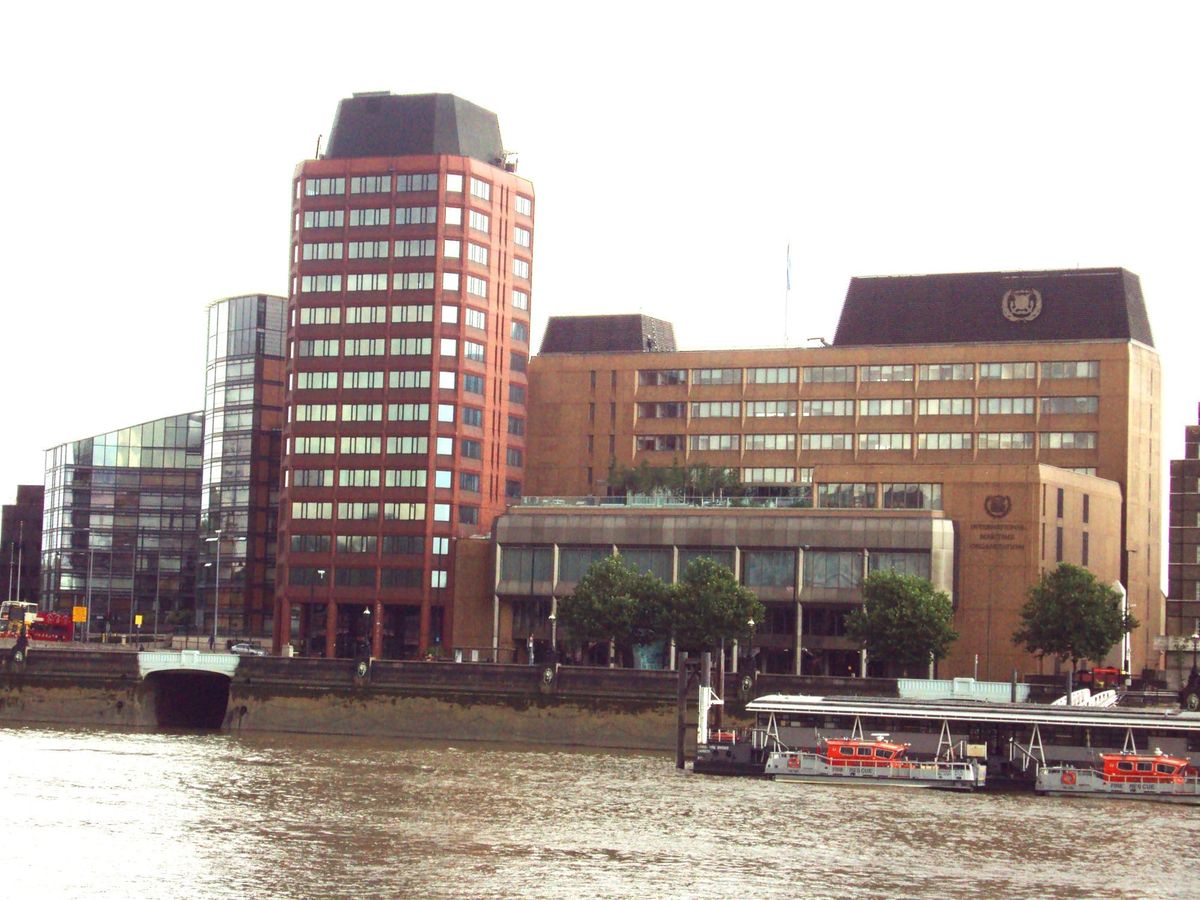
The International Maritime Organization, or IMO, is the United Nations agency for shipping. It works to keep ships safe and secure and to stop pollution from ships. The IMO sets world rules for ships that travel between countries. Its headquarters is in London. Shipping carries more than 80% of world trade, according to the IMO.
Why Did It Happen?
In 1948, a conference in Geneva, Switzerland, adopted a convention that created the organization. The convention took effect in 1958, and members first met in 1959. The body was first called the Intergovernmental Maritime Consultative Organization and took its current name in 1982. The IMO has 176 member states and three associate members. The United States joined in 1950.
How Does It Affect People?
The Assembly includes every member state, meets every two years, and approves the work program and budget. The Council runs the organization between sessions. Five main committees cover safety, the marine environment, legal questions, technical help and smoother shipping. Secretary General Arsenio Dominguez has led a staff of about 300 since January 1, 2024.
The IMO writes treaties that member countries agree to apply to ships. The Safety of Life at Sea convention, known as SOLAS, adopted in its current form in 1974, sets minimum safety standards. MARPOL covers pollution from ships, such as oil spills and garbage. Each ship carries a permanent IMO number.
The IMO does not enforce rules itself. Enforcement falls to the flag state and to the countries whose ports a ship visits.
IMO rules affect shipping companies, ports and seafarers, the people who work on ships. The rules also reach anyone who buys goods moved by sea. Under SOLAS, the IMO is the only international body that sets up routing systems for ships. In 1968, it adopted the one way lanes in the Strait of Hormuz proposed by Iran and Oman.
The September 11, 2001, attacks in the United States led to new security rules. SOLAS members adopted the International Ship and Port Facility Security Code, which took effect on July 1, 2004.
Why Does It Still Matter?
Attacks on shipping keep the IMO's work in the news. On May 23, 2024, its Maritime Safety Committee condemned Houthi attacks on ships and seafarers in the Red Sea and the Gulf of Aden. Shipping lanes, security codes and safety treaties set by the IMO shape how ships move through such waters. The Assembly sets the work program every two years.
Sources
- International Maritime Organization, Introduction to IMO
- International Maritime Organization, History of IMO
- International Maritime Organization, Member States
- International Maritime Organization, Structure of IMO
- International Maritime Organization, Ships' routeing
- International Maritime Organization, Strait of Hormuz shipping route and Traffic Separation Scheme
- International Maritime Organization, SOLAS XI-2 and the ISPS Code
- Maritime and Port Authority of Singapore, International Ship and Port Facility Security Code
- International Maritime Organization, IMO condemns attacks on ships in Red Sea, May 24, 2024
Disclaimer
This content was researched and organized with the assistance of Super Intelligence (SI) and is intended for educational and informational purposes only. MIMS Reports strives for accuracy, but information may change over time. Readers are encouraged to verify important information using official sources and consult qualified professionals when making legal, financial, medical, or other important decisions.