The Houthis Explained
Learn who the Houthis are, what the movement wants, which countries and groups it fights and why, and how the war in Yemen affects the region and world trade.

What Are the Houthis?
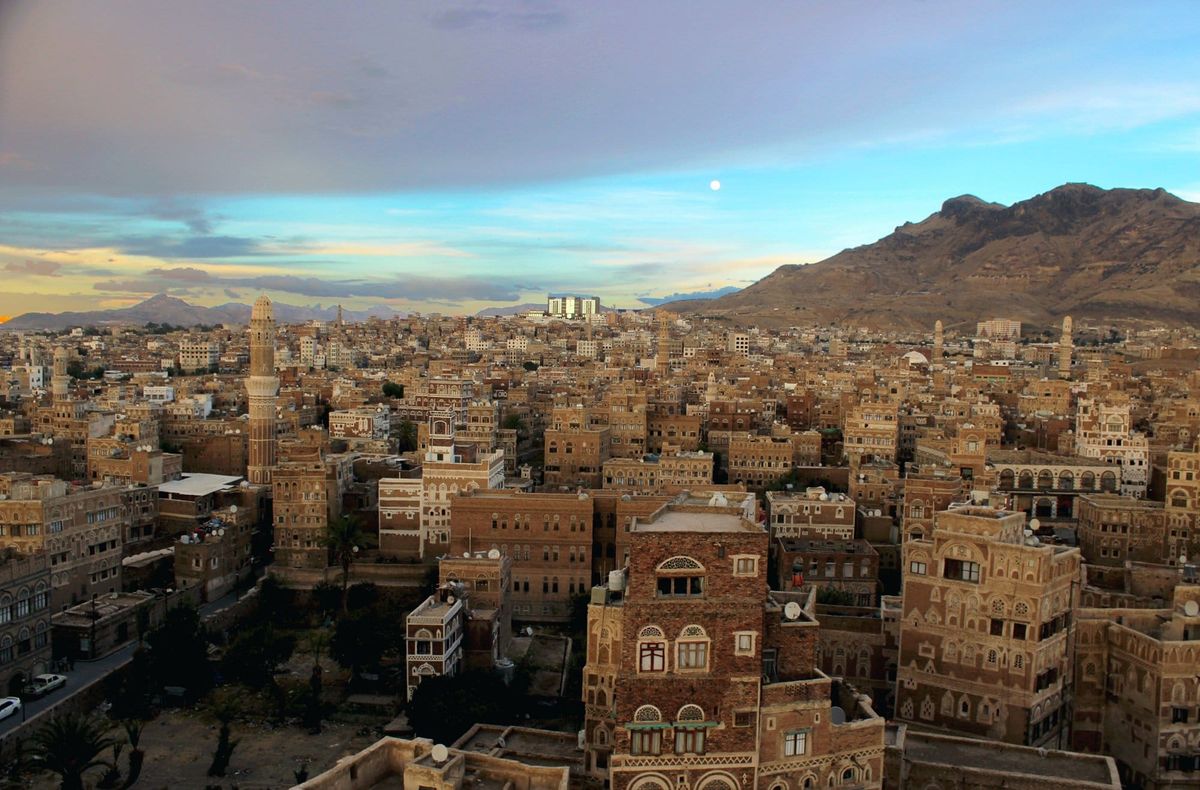
The Houthis are an armed political and religious movement from northern Yemen, a country of about 35 million people on the southern tip of the Arabian Peninsula. The formal name is Ansar Allah, Arabic for Supporters of God. The movement controls the capital, Sanaa, and the area where about three quarters of the people of Yemen live, according to the BBC. Abdul Malik al Houthi has led the movement since 2004.
Why Did It Happen?
The movement grew out of Saada, in the far north, the heartland of Zaydi Islam. Zaydi imams, religious leaders who also ruled, governed northern Yemen for about 1,000 years until a 1962 revolution. In the 1980s, strict Sunni schools spread into Zaydi areas with state support, and many Zaydis felt shut out, according to the Council on Foreign Relations.
Hussein Badreddin al Houthi turned a Zaydi youth group into a political movement. He was killed in 2004 when government forces tried to arrest him. From 2004 to 2010, the Houthis and the government of Yemen fought six wars in the north.
In 2011, Arab Spring protests led President Ali Abdullah Saleh to hand power to his deputy, Abd Rabbu Mansour Hadi, in 2012. Talks on a new constitution failed, and fuel prices rose. In September 2014, Houthi forces took Sanaa with help from army units loyal to Saleh. Hadi fled to Saudi Arabia, and in March 2015 a coalition led by Saudi Arabia began airstrikes to restore his government.
How Does It Affect People?
The Houthis run ministries in Sanaa under a body called the Supreme Political Council. The United Nations recognizes a rival government based in the southern port city of Aden, led since April 2022 by an eight member Presidential Leadership Council.
The Houthis say the movement defends Yemen against foreign control. According to the International Crisis Group, the group wants foreign forces out, public salaries paid and the ports and Sanaa airport reopened. The movement names America and Israel as enemies. Over the years, the Houthis have fought the government of Yemen, the Southern Transitional Council, Saudi Arabia, the United Arab Emirates and armed Sunni groups, while Israel, the United States and the United Kingdom have struck targets in Yemen. The Emirates finished pulling its forces out of Yemen on January 2, 2026.
Iran is the main foreign backer. A 2024 panel of UN experts found that Houthi forces grew with help from Iran's Revolutionary Guard and Hezbollah of Lebanon. Iran denies sending weapons, and Crisis Group says Iran does not simply control the Houthis, who raise money locally and have local goals.
From late 2023, the Houthis attacked merchant ships in the Red Sea and the Gulf of Aden, saying the attacks supported Palestinians in Gaza. The group targeted more than 100 ships, sank four and seized one, the Galaxy Leader, according to the shipping news site gCaptain. Seafarers were killed in the attacks.
To avoid attacks, many shipping companies sent ships around southern Africa. A trip from China to the Netherlands took about 12 extra days, according to UNCTAD, the UN trade agency. Egypt lost about 7 billion U.S. dollars in canal income in 2024, according to President Abdel Fattah al Sisi.
Inside Yemen, more than 150,000 people have been killed in fighting, the BBC reported. The UN Office for the Coordination of Humanitarian Affairs reported that 22.3 million people in Yemen needed aid in 2026. A coalition blockade slowed food and medicine, and Houthi detentions of aid workers halted aid, Human Rights Watch reported. The UN has found that both sides attacked civilians in violation of international law.
What Happens Next?
The UN Security Council can demand action under the UN Charter, but it has no army, so member countries carry out its decisions. Resolution 2216 of 2015 placed an arms embargo on the Houthis, and the council renews Yemen sanctions each year. The United States lists Ansar Allah as a Foreign Terrorist Organization, and in November 2026 the government of Yemen passed a law listing the Houthis as a terrorist organization.
No peace deal between the Houthis and the government of Yemen is in place. Talks through Saudi Arabia, Oman and the United Nations have paused and restarted many times, and any lasting deal depends on the main fighting sides and the foreign governments that back each side.
Sources
- BBC, Who are the Houthis and what do they want?
- Council on Foreign Relations, Yemen's Tragedy: War, Stalemate, and Suffering
- Council on Foreign Relations, Who Are Yemen's Houthis?, February 25, 2015
- Carnegie Endowment for International Peace, Yemen's Houthis Used Multiple Identities to Advance, March 19, 2019
- International Crisis Group, Catching Up on the Back channel Peace Talks in Yemen, October 10, 2023
- Al Jazeera, Who are the Houthis? A simple guide to the Yemeni group
- ACLED, Southern Yemen: How did we get here, and what happens next?, January 15, 2026
- gCaptain, Maersk Expands Red Sea Return With MECL Service Through Suez Canal, July 9, 2026
- UNCTAD, Red Sea Crisis and implications for trade facilitation in Africa, 2024
- Reuters, Regional challenges cost Egypt around $7 billion of Suez Canal revenues in 2024, Sisi says, December 26, 2024
- United Nations, Security Council Demands End to Yemen Violence, Adopting Resolution 2216, April 14, 2015
- Federal Register, Foreign Terrorist Organization Designation of Ansarallah, March 5, 2025
- UN Office for the Coordination of Humanitarian Affairs, Yemen Humanitarian Needs and Response Plan 2026, March 2026
- Human Rights Watch, Houthi Detentions Halting Aid in Crisis Hit Yemen, January 8, 2026
- Al Jazeera, Yemen's Houthis renew strikes on Saudi Arabia as UNSC extends sanctions, November 12, 2026
- Office of the Chairman of the Presidential Leadership Council, Law No. 1 of 2026 Designating the Houthi Group as a Terrorist Organization Issued, November 18, 2026
- Emirates News Agency, Ministry of Defence announces completion of UAE Armed Forces return from Yemen, January 2, 2026