Sanctions Explained
Learn what sanctions are, who imposes them in the United States, the United Nations, and the European Union, and how sanctions have been used in the past.

What Are Sanctions?
Sanctions are penalties that one country or a group of countries places on another country, group, company or person. Sanctions can limit trade, freeze money held in banks or block travel. Governments use sanctions to pressure a target to change course without military force. The United States, the United Nations and the European Union all impose sanctions.
Why Did It Happen?
Sanctions give governments a step between talks and war. Past examples show the range. On February 3, 1962, U.S. President John F. Kennedy ordered a full trade embargo on Cuba. In 1986, the U.S. Congress passed the Comprehensive Anti Apartheid Act against South Africa over President Ronald Reagan's veto.
U.S. sanctions on Iran began on November 14, 1979. President Jimmy Carter froze Iranian government property during the hostage crisis at the U.S. Embassy in Tehran. The United States later sanctioned Iran's Revolutionary Guard. In 2015, Iran accepted nuclear limits for sanctions relief under the Joint Comprehensive Plan of Action. The United States left the deal in May 2018 and restored its sanctions.
How Does It Affect People?
Sanctions take different forms. Asset freezes block a target's money and property. Trade limits ban buying from or selling to a target. Financial limits cut a target off from banks. Travel bans block named people from entering. Secondary sanctions target foreign companies that deal with a sanctioned country.
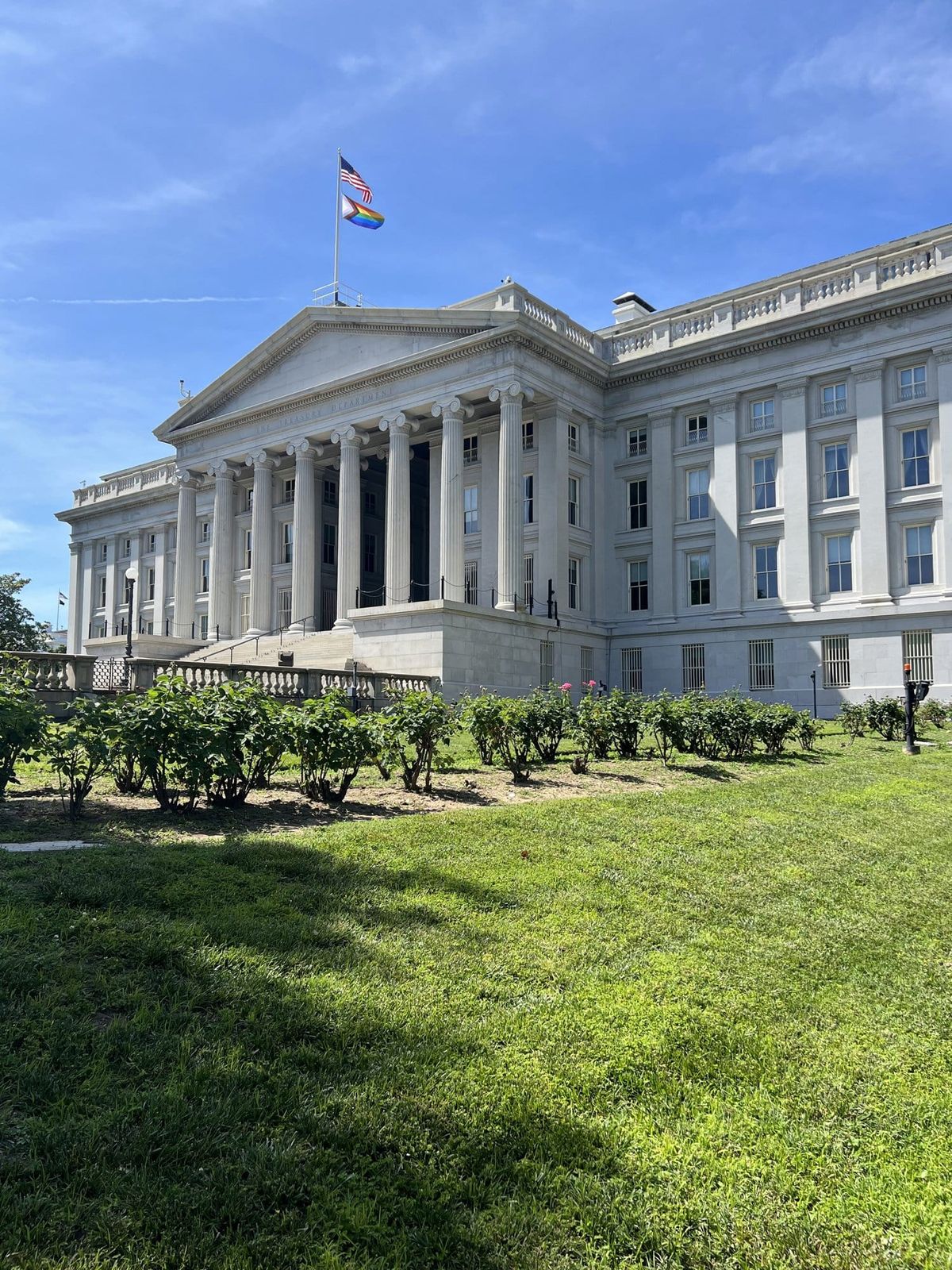
In the United States, the President imposes sanctions mainly after declaring a national emergency under the International Emergency Economic Powers Act of 1977. The U.S. Congress also passes sanctions laws directly. The Office of Foreign Assets Control, or OFAC, part of the U.S. Treasury, enforces sanctions and keeps a public list of blocked people and companies.
The United Nations Security Council can order sanctions under Article 41 of the United Nations Charter, and member countries must carry out those sanctions. Any of the five permanent members, China, France, Russia, the United Kingdom and the United States, can block a decision with a veto. The European Union adopts sanctions only when every member country agrees.
Sanctions affect governments, companies, banks and shipping worldwide, as well as ordinary people in the targeted country. Supporters say sanctions pressure governments without war. Critics say sanctions can raise prices and limit imports for ordinary people. Critics add that leaders can stay in power.
On September 27, 2025, United Nations sanctions on Iran returned through a process called snapback, started by France, Germany and the United Kingdom. The restored measures include an arms embargo, travel bans and asset freezes.
What Happens Next?
Sanctions lists and rules change over time. OFAC posts current U.S. programs and lists on its website, and the European Union and United Nations publish separate lists. Officials and researchers continue to study when sanctions succeed.
Sources
- U.S. Department of the Treasury, About OFAC
- U.S. Department of the Treasury, Specially Designated Nationals and the SDN List
- U.S. Department of the Treasury, Iran Sanctions
- Congressional Research Service, The International Emergency Economic Powers Act, R45618
- Congressional Research Service, Sanctions Primer, R47829
- National Archives, Proclamation 3447, Embargo on All Trade with Cuba, February 3, 1962
- Comprehensive Anti-Apartheid Act of 1986, Public Law 99-440, October 2, 1986
- Congress.gov, H.R. 4868, Comprehensive Anti-Apartheid Act of 1986
- Encyclopaedia Britannica, apartheid
- U.S. Department of State archive, Designation of the Islamic Revolutionary Guard Corps, April 8, 2019
- U.S. Department of State, Completion of UN Sanctions Snapback on Iran, September 27, 2025
- Council of the European Union, How the EU adopts and reviews sanctions
- European External Action Service, The adoption of EU sanctions
- United Nations Charter, Chapter VII
Disclaimer
This content was researched and organized with the assistance of Super Intelligence (SI) and is intended for educational and informational purposes only. MIMS Reports strives for accuracy, but information may change over time. Readers are encouraged to verify important information using official sources and consult qualified professionals when making legal, financial, medical, or other important decisions.