Ruby Bridges and the 1960 School Desegregation Explained
Learn who Ruby Bridges is, how Brown v. Board of Education led to school desegregation, and why her first day of school became a turning point.

What Is Ruby Bridges and School Desegregation?
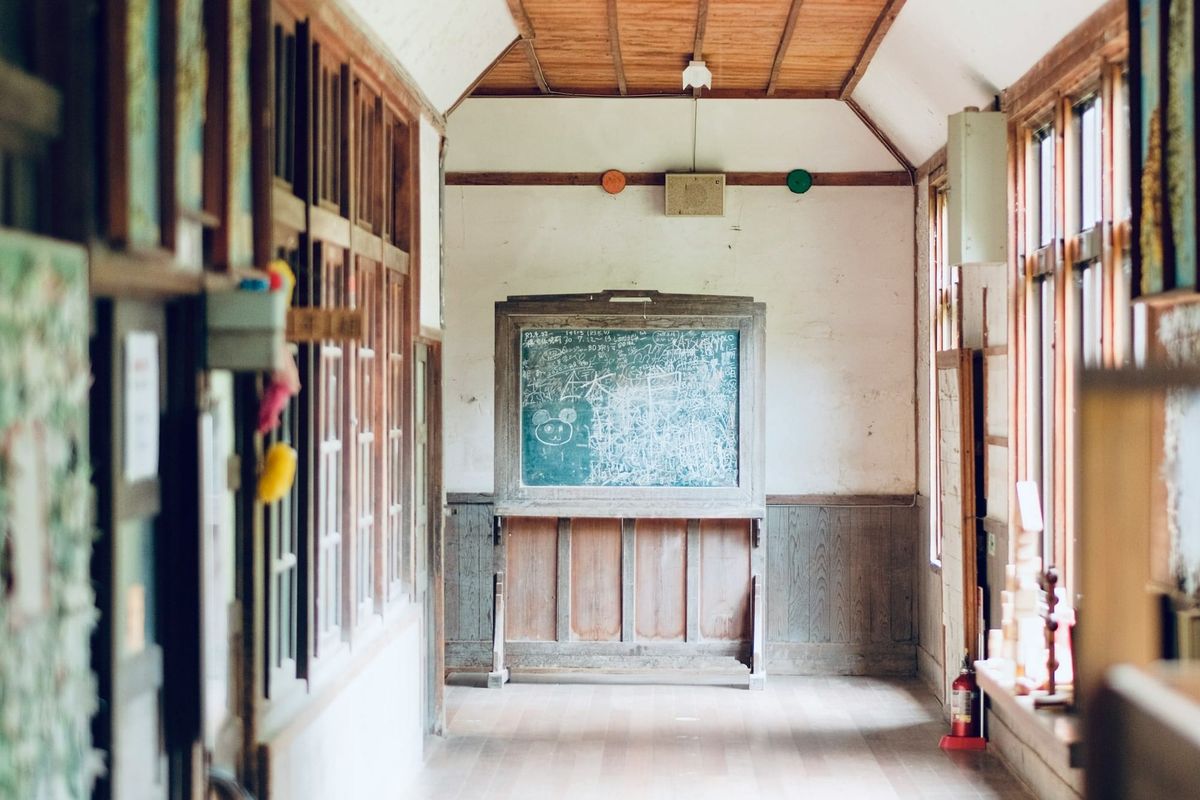
Ruby Bridges is an American civil rights figure. At 6 years old, she became the first Black student at the all white William Frantz Elementary School. The school is in New Orleans, Louisiana, in the United States. She entered the school on November 14, 1960, escorted by U.S. marshals.
Why Did It Happen?
On May 17, 1954, the U.S. Supreme Court ruled in Brown v. Board of Education of Topeka that state laws creating separate public schools for Black and white students broke the U.S. Constitution. The ruling rejected the separate but equal rule from Plessy v. Ferguson in 1896. In 1955, the Court ordered schools to desegregate with all deliberate speed, but a large number of Southern states and districts resisted for years.
How Does It Affect People?
New Orleans did not desegregate right away. In 1960, U.S. District Judge J. Skelly Wright ordered the city's public schools to begin. The school district gave Black kindergarten students a test for transfers to white schools. Ruby Bridges was one of a small number chosen.
On November 14, 1960, four U.S. marshals escorted Bridges and her mother past crowds of white protesters. The same day, three other Black first graders, Leona Tate, Tessie Prevost and Gail Etienne, desegregated McDonogh No. 19 Elementary School. The three became known as the McDonogh Three.
White parents pulled children out of William Frantz. Bridges spent nearly all of first grade as the only student in her class, taught by Barbara Henry, a teacher from Boston. The marshals escorted her for months. Her father lost his job, and her grandparents were forced off the family farm land in Mississippi. By the next school year, the protests had faded and more Black students had enrolled.
Desegregation across the United States took years. In 1957, the Little Rock Nine desegregated Central High School in Little Rock, Arkansas, with protection from U.S. troops. The Civil Rights Act of 1964 let the U.S. government withhold funding to push schools to desegregate.
Why Does It Still Matter?
The story of Ruby Bridges is taught as an example of courage in the civil rights movement. A 1964 painting by Norman Rockwell shows a young Black girl walking to school between four marshals. In 2011, the painting hung in the White House, and Bridges viewed it with U.S. President Barack Obama. As an adult, Bridges founded the Ruby Bridges Foundation to promote tolerance through education.
Sources
- U.S. National Park Service, Ruby Bridges
- National Women's History Museum, Ruby Bridges
- U.S. National Archives, Brown v. Board of Education (1954)
- New Orleans Historical, McDonogh 19: Desegregation of the New Orleans School System
- U.S. National Park Service, Little Rock Central High School National Historic Site
- U.S. Department of Justice, Title VI of the Civil Rights Act of 1964
- The White House, President Obama Meets Civil Rights Icon Ruby Bridges, July 15, 2011