
9/11 Terrorist Attack Explained
Learn what happened during the September 11 attacks, who carried them out, why they occurred, and how 9/11 changed the United States.
Learn what happened during the September 11 attacks, who carried them out, why they occurred, and how 9/11 changed the United States.

Learn why Labor Day is celebrated, how the labor movement shaped the holiday, and why Americans observe it on the first Monday of September.

Learn how the 27th Amendment limits changes to congressional pay by requiring an election to occur before the changes take effect.

Learn how the 26th Amendment lowered the voting age to 18 and protects the right of young Americans to vote.

Learn how the 25th Amendment handles presidential succession, disability, and the transfer of presidential powers.
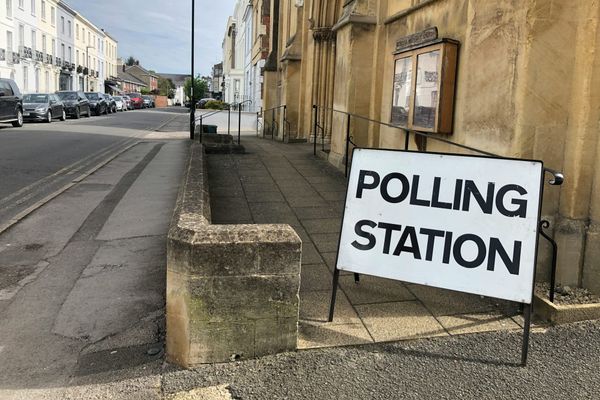
Learn how the 24th Amendment banned poll taxes in federal elections, removing a financial barrier to voting.
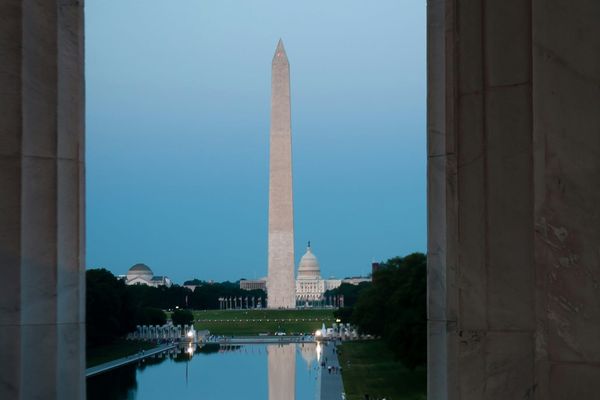
Learn how the 23rd Amendment gives Washington, D.C. electoral votes in presidential elections and allows its residents to vote for President.

Learn how the 22nd Amendment limits a President to two elected terms and sets rules for presidents who serve part of another term.

Learn how the 21st Amendment repealed Prohibition, ending the nationwide ban on alcohol established by the Eighteenth Amendment.

Learn how the 20th Amendment sets the terms for when the President, Vice President, and Congress begin their terms and handles transitions.

Learn how the 19th Amendment protected women's right to vote and prohibited denying the vote based on sex.

Learn how the 18th Amendment established Prohibition, restricted the production and sale of alcohol, and was later repealed.
The Constitution of the United States of America
Learn how the 17th Amendment established direct election of U.S. senators and changed how Americans choose their representatives in Congress.
The Constitution of the United States of America
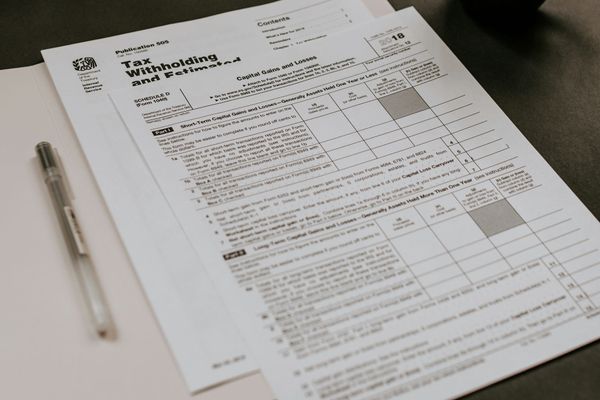
The 16th Amendment is part of the U.S. Constitution. It gives Congress the power to collect a federal income tax without dividing the tax among the states based on population.

The Constitution of the United States of America
Learn how the 15th Amendment protects the right to vote regardless of race, color, or previous condition of servitude.

The Constitution of the United States of America
Learn how the 14th Amendment guarantees citizenship, due process, equal protection, and limits state government power.
The Constitution of the United States of America
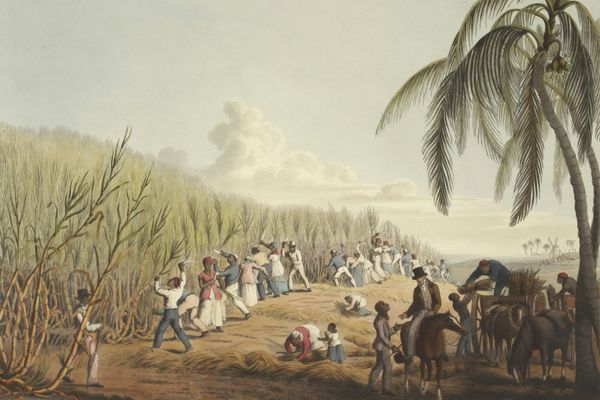
Learn how the 13th Amendment abolished slavery in the United States and the lasting impact it had on American history and law.

The Constitution of the United States of America
Learn how the 12th Amendment changed the Electoral College process for electing the President and Vice President of the United States.
The Constitution of the United States of America
Learn how the 11th Amendment limits when states can be sued in federal court and helps protect the rights of state governments.
The Constitution of the United States of America
Learn how the 10th Amendment reserves powers to the states and the people, limiting the powers of the federal government.

The Constitution of the United States of America
Learn how the 9th Amendment protects rights not specifically listed in the Constitution and why those rights still matter today.

The Constitution of the United States of America
Learn how the 8th Amendment protects against excessive bail, excessive fines, and cruel and unusual punishment.

The Constitution of the United States of America
Learn how the 7th Amendment protects the right to a jury trial in many civil cases and why it remains part of the Constitution.

The Constitution of the United States of America
Learn how the 6th Amendment protects the rights of people accused of crimes, including a speedy trial, a jury, and legal counsel.