The 18th Amendment Explained
Learn how the 18th Amendment established Prohibition, restricted the production and sale of alcohol, and was later repealed.

What Is the 18th Amendment?
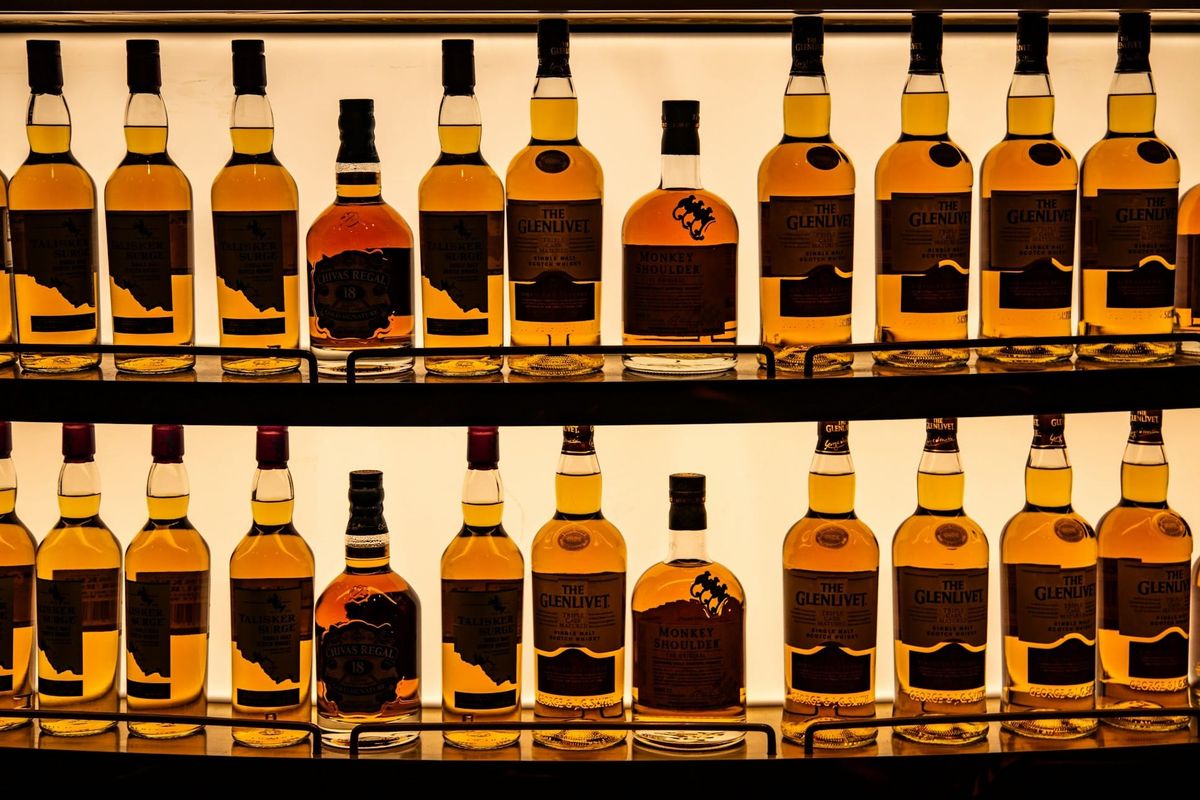
The 18th Amendment to the U.S. Constitution started Prohibition, a national ban on making, selling and transporting alcoholic drinks in the United States. It did not ban drinking alcohol itself. It was later repealed, the only amendment ever repealed.
Why Did It Happen?
The temperance movement, led by groups such as the Woman's Christian Temperance Union and the Anti Saloon League, blamed alcohol for violence, poverty and broken families. World War I added support, since grain was needed for food. Congress proposed the 18th Amendment on December 18, 1917. It was approved on January 16, 1919, and took effect on January 17, 1920.
How Does It Affect People?
Congress passed the Volstead Act in 1919 to enforce the ban and define which drinks counted as alcoholic. Alcohol use dropped at first, but illegal bars called speakeasies spread. Smuggling, called bootlegging, fed the growth of organized crime groups such as the one led by Al Capone in Chicago. Enforcement was costly and uneven, and the government lost tax money from alcohol sales.
Why Does It Still Matter?
On December 5, 1933, the 21st Amendment repealed the 18th Amendment. Prohibition remains the leading example of a national ban that lost public support. Debates over laws on drugs and other substances often look back at the lessons of Prohibition.
Sources
- National Archives, The Constitution: Amendments 11 to 27
- National Constitution Center, 18th Amendment, Prohibition of Liquor