
Government
The 14th Amendment Explained
Learn how the 14th Amendment guarantees citizenship, due process, equal protection, and limits state government power.
Government
Learn how the 14th Amendment guarantees citizenship, due process, equal protection, and limits state government power.
Government
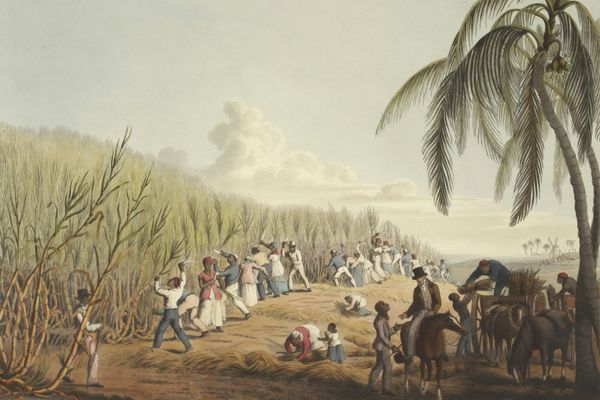
Learn how the 13th Amendment abolished slavery in the United States and the lasting impact it had on American history and law.

Government
Learn how the 12th Amendment changed the Electoral College process for electing the President and Vice President of the United States.

Government
Learn how the 5th Amendment protects due process, prevents self incrimination and double jeopardy, and limits government power.

Government
Learn how the 4th Amendment protects against unreasonable searches and seizures and when law enforcement needs a warrant.
Government
Learn how the Constitution was ratified, why nine states were enough, and how Article 7 brought the new U.S. government to life.

Government
Learn how Article 6 makes the Constitution the highest law, honors treaties, requires oaths, and bans religious tests for office.

Government
Article 5 of the U.S. Constitution explains how the Constitution can be changed. These changes are called amendments. 💡An amendment is an addition or change to the Constitution. Who Is Involved in Article 5? Article 5 explains who can propose and approve changes to the U.S. Constitution. Congress

Government
Learn how Article 4 defines the relationship between states, protects citizens' rights, and governs new states and territories.

Government
Learn how the Supreme Court interprets the Constitution, settles legal disputes, and shapes U.S. law in simple terms.

Government
Learn about the powers, duties, qualifications, elections, and responsibilities of the President of the United States under Article II of the United States Constitution.

Government
Learn about the powers, structure, responsibilities, and lawmaking process of Congress under Article 1 of the United States Constitution.